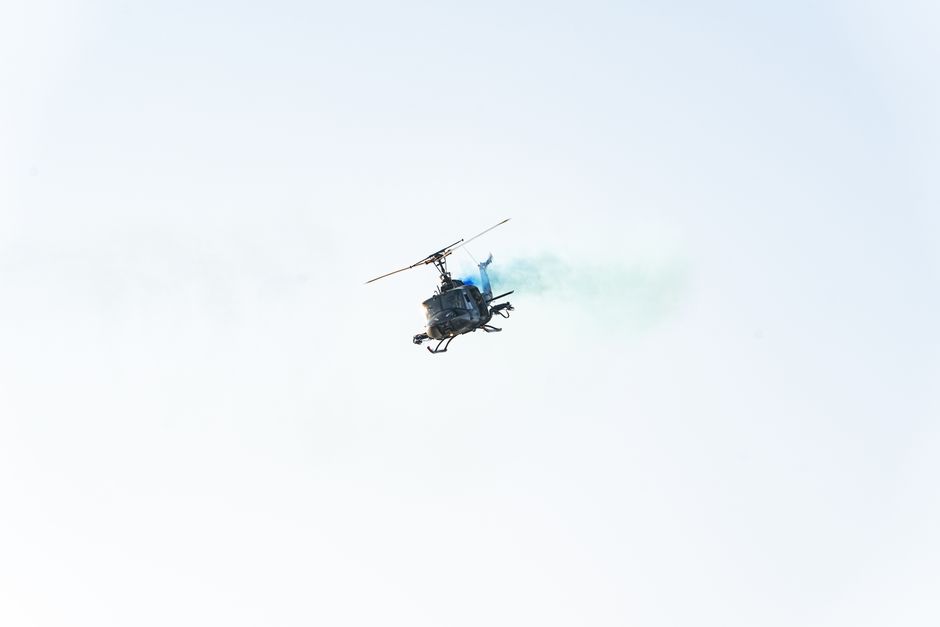
If you're planning a Victoria Falls helicopter flight, you know the excitement is real, but you might be wondering how to plan for wildlife views and comfort.
This guide covers timing (light and weather), weight and route considerations that affect what you’ll actually see, what’s realistic from above around the Zambezi and Victoria Falls, and how to pair your flight with an afternoon game-drive window without rushing.
You’ll also get practical safety and respect tips for wildlife and local communities, so your time in the sky feels as well-managed as it is memorable.
What You Can Realistically See From a Victoria Falls Helicopter

Victoria Falls and the river gorge: the main “must-see”
A helicopter flight over Victoria Falls is first and foremost a viewpoint experience. From the air, the thundering falls, the spray, and the shape of the Zambezi gorge tend to be much easier to observe than specific animals. Even on clear days, mist and sun glare can reduce visibility, but the landscape details usually remain impressive.
Because the falls sit right on the Zambezi, the flight route commonly follows the river’s line. That means the most consistent views are along the waterway itself: bends in the gorge, riverbank contours, and the open stretches where animals may come closer to the water.
Wildlife viewing from above: where spotting chances improve
Wildlife sightings from a helicopter are possible, but they’re usually about timing and terrain rather than a guarantee. Large mammals near the river are your best bet because you’ll have a clear “corridor” to scan. Dense woodland, steep gorge walls, and tall grasses can hide animals even when they’re nearby.
Instead of expecting close-ups, plan for short, distant glimpses. Birds can be more reliably visible along the river, especially when they’re perched on exposed trees, flying low over open water, or riding air currents near cliffs.
A realistic sighting checklist for expectations
To keep the experience comfortable and the expectations accurate, focus on what’s most visible on typical routes:
- Victoria Falls and the spray cloud
- Zambezi River gorge bends and riverbank contours
- Hippos and crocodiles in the river margins (often distant)
- Elephant movement near the river when visibility and angle align
- Large river birds such as the African fish eagle near the Zambezi
Timing Your Flight for Light, Weather, and Wildlife Chances

Morning, late afternoon, and the “visibility window”
For comfort and photography, you generally want a time slot when the sun is at an angle that reduces glare on water. Morning light can be crisp and helpful, while late afternoon can offer softer contrast over the gorge. However, helicopter routes are often adjusted based on operational conditions, so the “best” time is the one that matches clear visibility and safe flying.
Wildlife chances follow a similar logic. Animals near water are often active across the day, but open visibility and lower haze can make scanning easier. If your priority is wildlife, choose a slot that offers good horizon clarity rather than simply the earliest departure.
Wind, mist, and the spray effect on what you’ll see
Victoria Falls creates its own weather effects. On mistier days, you may see less of the gorge walls or finer details along the riverbanks. The upside is that mist can add a dramatic look to the falls and spray plume.
Wind matters too. Strong winds can make flights uncomfortable and may limit how low or directly a pilot can follow a corridor. Even when the route stays broadly the same, seat position and minor path adjustments can strongly affect what you can spot.
How to confirm conditions without overthinking it
Instead of trying to “beat” the forecast, ask the operator what usually happens on different weather types. A quick, practical question can help:
- Will you adjust the flight path if visibility is reduced?
- Do you fly closer to the river or more inland when wind is stronger?
Comfort improves when you plan around the possibility of a modified route, not around the assumption that every scenic segment will be exactly as described.
Route, Weight, and Comfort: How Planning Decisions Affect Your Experience
Weight and balance: why it’s discussed for every flight
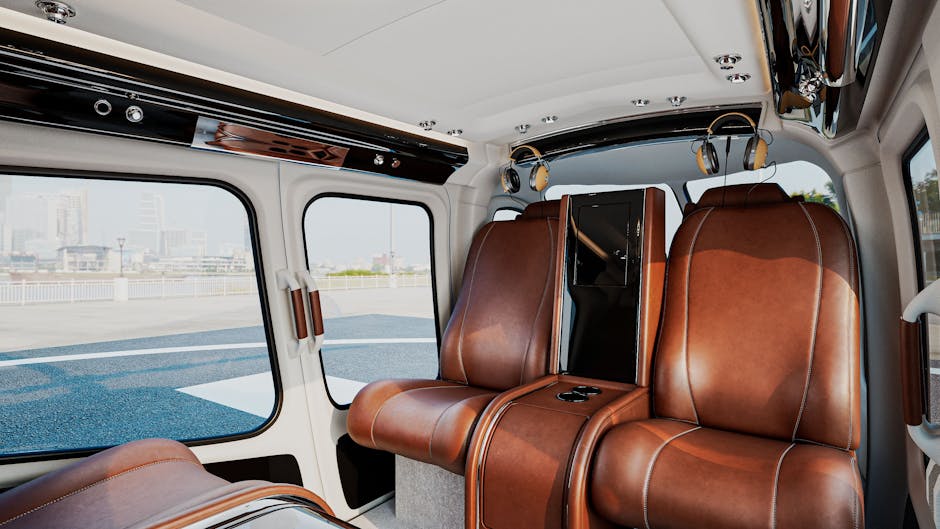
Helicopters have strict safety limits, and passenger weight can affect balance and seat allocation. That’s why operators may ask for confirmed passenger weights in advance or check them at check-in. If you’re travelling with more than one person, how the group is distributed can influence whether everyone gets the best possible view from a window seat.
If you have mobility needs or prefer a particular seating position, mention it early. Small changes, like where you sit relative to the door or observation side, can influence your ability to look down toward the riverbanks.
Route selection: what can change and why
Even when the flight is described as “over the falls and gorge,” the exact track can vary due to wind direction, airspace considerations, and visibility. Pilots may prioritize smoother air or avoid areas that create unnecessary turbulence.
This matters for wildlife viewing because animals are most likely to be visible when you’re looking across open river stretches rather than through mist, glare, or thick vegetation. The same holds for birds: you’ll spot them more readily when the route gives you a clear angle at cliff lines and open water.
Comfort in practice: staying calm, secure, and able to look
Comfort is about more than warmth. Helicopter cabins can be loud, and sudden movements are possible when flying over turbulent areas near cliffs.
Plan for:
- Ear protection guidance from the operator (use what’s provided or approved)
- Securing your camera and small items so they don’t shift during flight
- Layers for temperature changes between hangar check-in and open windows
It also helps to keep your hands free when the pilot is taking you over the most scenic stretch. When you’re ready to observe, remove bulky scarves, avoid loose jackets that catch in airflow, and be prepared for brief periods where looking forward and looking down happen quickly.
Pairing Your Helicopter Flight With an Afternoon Game-Drive Window

Choose a day plan that protects your full focus
To pair a helicopter flight with an afternoon game drive, protect the transition time. Helicopters can run close to schedule, but weather and operational adjustments do happen. A good plan avoids overlap and allows a calm pace for pickup, vehicle loading, and tracker briefing.
A simple rule works well: select a helicopter slot that ends with enough buffer for transfer, a quick rest, and an on-time arrival at your game-drive meeting point. If the drive starts soon after the flight, your wildlife viewing will suffer because the experience becomes logistically stressful rather than observational.
Matching regions: where your afternoon driving can complement the flight
The helicopter shows you the Zambezi landscape; the game drive is where you build a fuller wildlife story. If you’re staying around Victoria Falls, many afternoon game-drive options operate in private concessions linked to the region’s habitats.
Some of the best wildlife-viewing pairings include:
- Victoria Falls National Park scenery from above, followed by ground viewing in nearby protected areas
- Matetsi Private Game Reserve for river-edge and woodland-style game-viewing opportunities
- Hwange National Park if your itinerary is set up for longer-distance driving or a multi-night stay
If your afternoon window is short, it’s usually better to choose one reserve experience and do it well rather than trying to cover too much ground.
Practical scheduling and booking approaches that help
It can help to line up helicopter end times with lodge or reserve pickup windows at the planning stage. Many travellers find it useful to cross-check schedules and time buffers using Viator in order to match the helicopter’s confirmation time with the game-drive pickup.
If you need a lodge that explicitly supports a tight itinerary, checking accommodation availability and transfer notes on Booking.com can make coordination smoother.
Safety, Ethics, and Respectful Wildlife Viewing From Air and Ground
Helicopter safety: follow instructions, then enjoy the view
Helicopter viewing is safe when everyone follows crew guidance. Listen for seatbelt and brace instructions, keep your head and hands in safe positions, and avoid leaning into doorways. If you’re carrying a camera or binoculars, hold them securely and don’t try to change gear mid-flight.
Comfort improves when you stop “fighting” the cabin movements. Instead, focus on stable posture, steady breathing, and watching during the clearest scenic moments.
Wildlife ethics: don’t chase animals beyond what’s permitted
From the air, it can be tempting to think more motion or lower flying means better sightings. The ethical approach is different: wildlife welfare comes first, and pilots should follow established regulations and operator protocols.
If you spot animals, enjoy them from the best distance possible. Don’t request changes that could disturb the animals or increase risk. Similarly, on the ground, stay within vehicle and viewing rules. If a driver stops, it’s typically because it’s safe and appropriate for the species and habitat.
Respect for people and place: the “quiet” part of responsible tourism
Wildlife viewing connects to local livelihoods. Help protect the environment and community by staying on designated areas, following cultural and park guidance, and avoiding anything that could stress animals or damage riverbank habitat.
This includes respecting river-edge zones near hippos and crocodiles. Even if the animals are visible from a distance, those areas can be unpredictable and hazardous if anyone gets too close.
Overall, the best Victoria Falls helicopter flight plan balances clear expectations with careful scheduling. Prioritise routes and timing that offer visibility and comfort, treat wildlife sightings as “spotting moments” rather than guarantees, and build in enough buffer to make your afternoon game drive calm and observation-focused. When safety, welfare, and respect guide the details, you end up with a day that feels both thrilling and well managed.
Leave a Reply