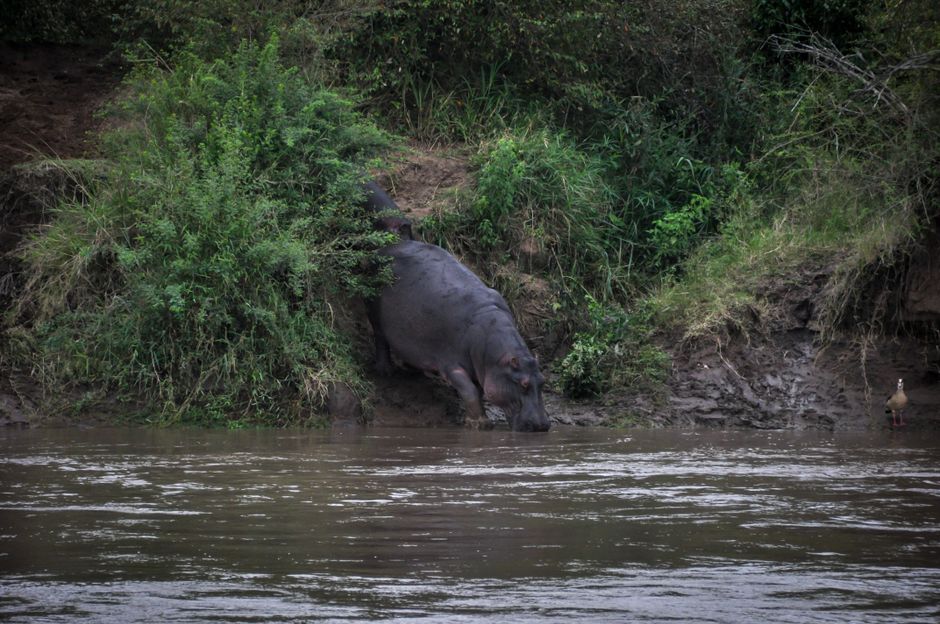
If you're a birding enthusiast, then you know that Africa is a paradise for birdwatching. In Akagera, the best stays make it easier to enjoy both open savanna wildlife and the wetter habitats where birds feed, roost, and move along the water.
This guide covers where to base yourself for savanna game drives, how to prioritise proximity to bird-rich wetlands (especially around the lake zones), and practical ways to link your itinerary to Rwanda’s lake-side day add-ons.
Choosing Your Base: Savanna Wildlife vs Lake-Wetland Access
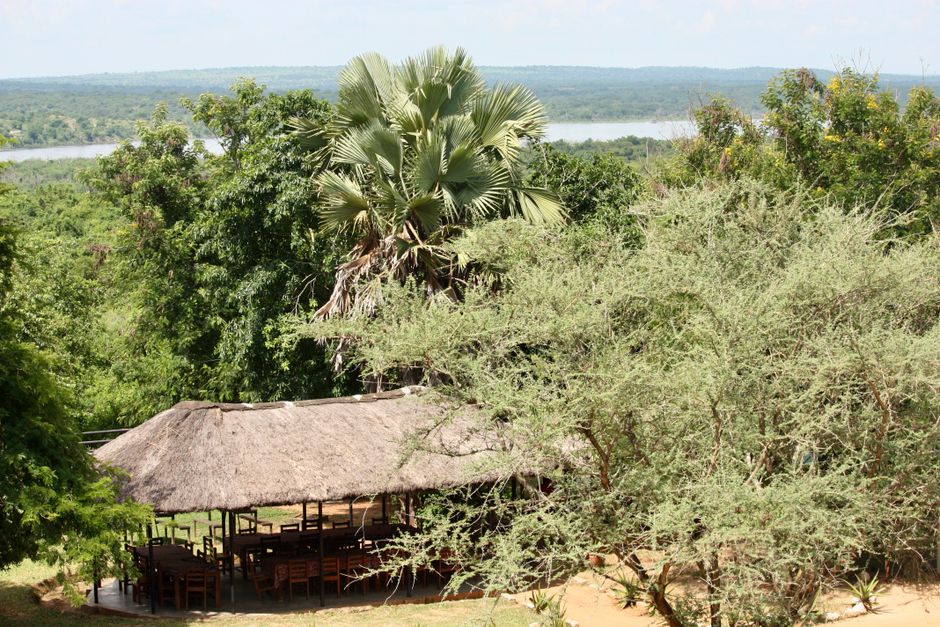
If you’re chasing both, look for properties with early departures for game drives plus easy logistics for shorter birding sessions at dawn and late afternoon.
Prioritise access to the lake edges
Akagera’s lake and marsh areas create conditions that are excellent for waterbirds and foraging activity. Staying near these habitats can mean you spend less time travelling between sightings and more time watching behaviour: feeding flocks, calling birds, and the changing light over the water.
A practical approach is to plan your day so that your longest game-drive block happens when wildlife is most active, then schedule bird-rich wetlands for the softer hours when visibility is best.
Inside the park or near the gate?
Staying inside Akagera National Park typically reduces the time between your room and the day’s first tracks. Staying just outside the park gate can suit travellers who prefer a faster arrival with a relaxed start, especially if they’re also planning lake-region day trips.
Either way, ask how your accommodation handles early departures and whether your driver/ranger team can coordinate routes that fit both savanna viewing and wetland time.
Best Areas to Stay in Akagera for Game Drives
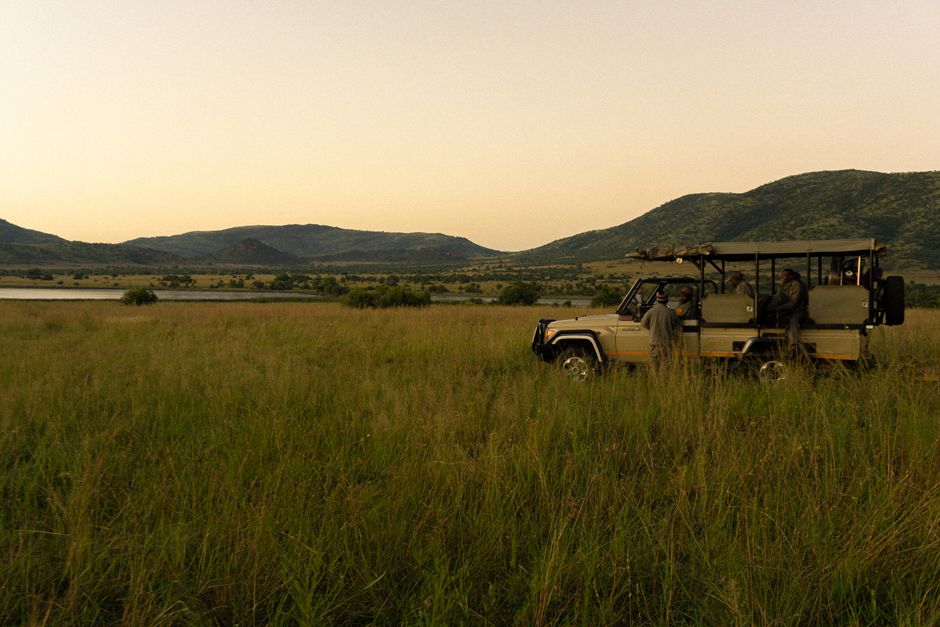
If you’re sensitive to early mornings, look for accommodations that clearly communicate drive times and make it easy to pack or grab breakfast quickly.
Look for routes that combine grassland and water
In Akagera, wildlife often moves between feeding areas and water sources. Lodges that allow flexible drive planning can help you track that movement without overcommitting to one habitat type.
A good sign is whether your team regularly adjusts the route based on where animals are feeding, rather than sticking to the same loop every day.
Pick a lodge style that matches your comfort
For some travellers, the ideal base is a full safari lodge experience. For others, a simpler camp approach works best, especially when the plan is to spend most daylight hours outside.
Either style can be a strong choice if the accommodation supports the practical reality of safari days: quick readiness, clear communication, and a focus on wildlife viewing etiquette.
Savanna wildlife you can aim to see
(These are common targets for savanna-focused game drives in Akagera.)
- African elephant
- Lion
- Black rhinoceros
- Giraffe
- Zebra
Bird-Rich Wetlands: Where to Spend Your Time
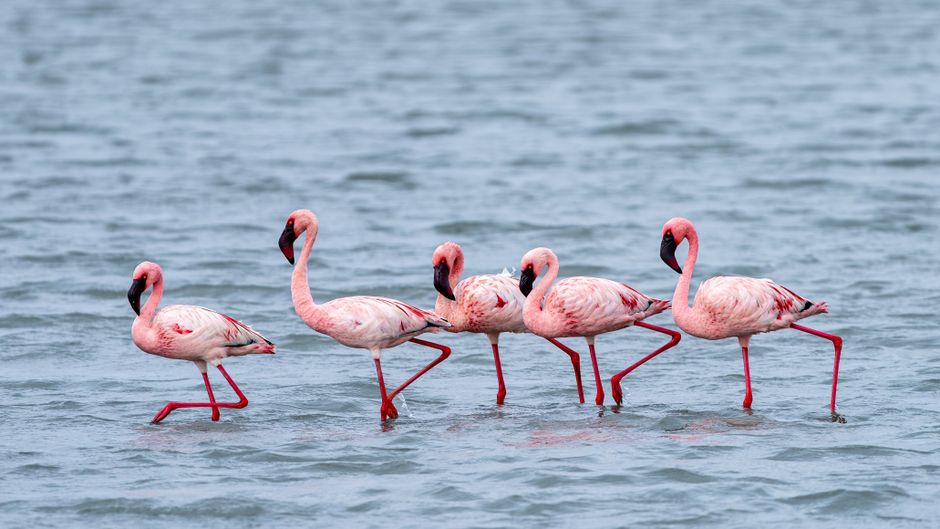
When the schedule allows, pair a longer morning game drive with a shorter evening wetland watch so you don’t have to choose between “big mammals” and “birdlife.”
Use wetlands to add variety between sightings
Wetlands and lakeside edges offer a different rhythm: smaller movements, more calls, and frequent changes in feeding positions. This variety keeps the safari day engaging when savanna viewing has been quiet.
Bird-rich habitats also reward patience—build in time for lingering, rather than expecting constant action every minute.
Choose a stay that makes water time realistic
If the goal includes regular birding, your accommodation choice matters. Look for lodges where wetland viewing sessions can be arranged without exhausting transfers, and where staff can guide you to the best vantage points for the conditions that day.
Even when skies are overcast, consistent access to the water edges makes it more likely you’ll spot movement and hear calls.
Lake-Region Day Add-Ons Linked to Your Akagera Stay
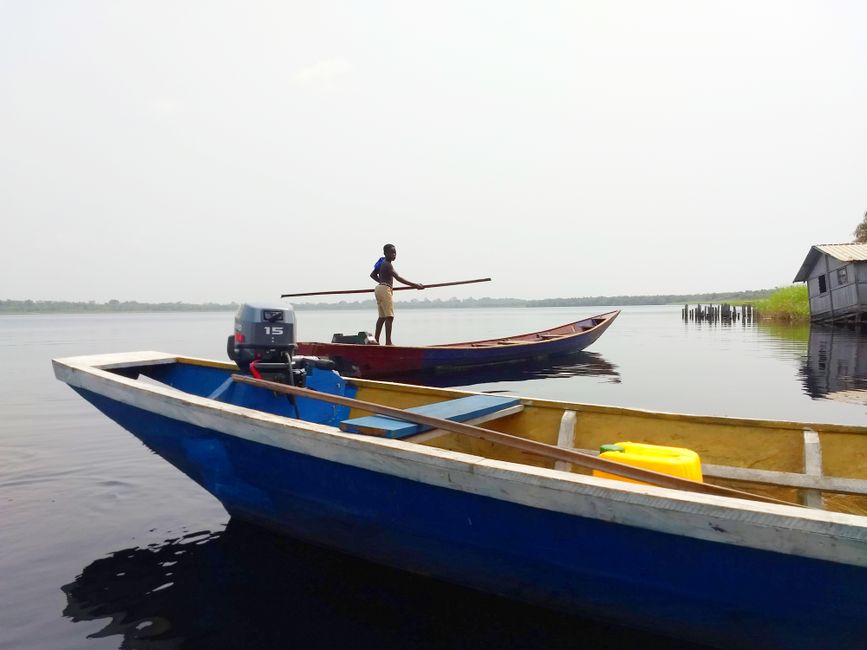
Think of it as a transition activity: a slower pace that still keeps you close to the habitats you came for.
Plan lake-side add-ons with realistic timing
For day trips beyond Akagera, the key is choosing add-ons that match your energy and your morning start. Lake regions around Rwanda often make for rewarding scenery and relaxed water-time, but longer road days should be treated as fewer, simpler plans rather than a packed itinerary.
A reliable approach is to ask your lodge team to coordinate transport that works with your game-drive schedule.
Practical lake experiences you can pair with Akagera
(These are common “day add-on” ideas travellers link with Akagera for lake-side scenery.)
- Lake Ihema boat ride and waterbird watching (where operators are running activities)
- Sunrise or late-afternoon birding from lakeshore marsh edges
- Lake Muhazi boat time and shoreline views
- Lake Muhazi cultural visit with local boat operators (when available)
- Lake Kivu scenic day trip, with an optional short boat cruise
For lake-side overnights if you extend beyond a day trip, Booking.com can help you compare availability around Lake Muhazi or Lake Kivu.
Comfort, Safety, and Conservation: Staying for Wildlife Welfare
Follow ranger and driver guidance every time
In Akagera, wildlife viewing is safest and most respectful when the team running the drives sets the rules. Always keep vehicle distance, follow instructions about where to stop, and avoid lingering in areas where animals appear unsettled.
If animals move away, treat it as information and reposition thoughtfully rather than trying to “hold” the sighting.
Vehicle etiquette matters in both savanna and wetlands
Good etiquette is consistent across habitats: keep noise down, avoid blocking sight lines, and don’t step outside viewing areas without permission. Wetlands can be especially sensitive because movement and noise near water edges can disturb birds during feeding and resting.
A slower, quieter approach often leads to better behaviour and better photos, too.
Choose operators and habits that support conservation
Responsible stays make conservation part of the experience. That can look like supporting anti-poaching efforts through responsible tourism practices, keeping litter out of wildlife areas, and respecting local community guidelines.
At the accommodation level, look for clear communication about rules, staff training, and a consistent focus on wildlife welfare rather than “getting closer” at any cost.
Overall, the best way to stay in Akagera National Park for both savanna wildlife and lake-region access is to match your base to your day structure: choose a location that shortens transfers to savanna tracks, reserve time for bird-rich wetlands when light is best, and add lake-side experiences in Rwanda with timing that respects wildlife rhythms and travel realities.
Leave a Reply