
If you're planning a safari trip, you might be wondering how you can make your experience more sustainable. Choosing where to stay in Arusha is a practical part of that, because smoother transfers mean fewer delays, less rushing, and more time in the bush.
This guide focuses on the Arusha neighbourhoods and lodge styles that make early departures to Tarangire National Park and Ngorongoro easier. It also includes backup options when weather or visibility changes the night before, so your itinerary stays respectful of wildlife and comfortable for you.
Choose the Right Base in Arusha

Town-Centre Hotels for Quick Coordination
Staying in or very near Arusha town can be useful when you need everything lined up the evening before: confirmations with your guide, vehicle checks, and an early wake-up call. You’ll also find it easier to handle last-minute logistics like replacing a rain cover, topping up a SIM, or grabbing a simple breakfast-to-go.
Look for places with reliable front desks, clear departure instructions, and staff who can help with a “just-in-time” handover to your safari driver. For wildlife respect, that matters too: fewer last-minute changes reduce the chance of pushing out late and cutting into the calmest parts of your game drive.
Njiro for a Quieter Rhythm With Easy Departures
Njiro is a popular choice for travellers who want a calmer setting while still being within practical reach of Arusha’s main roads. Many lodges here are slightly set back from busy streets, which can make it easier to sleep through early wake-up alarms and heavy rain.
This area tends to work well for two-day safari plans because it gives you enough quiet for rest, while still supporting early departures when guides aim to reach the parks before the first peak traffic.
Usa River for Highway Access and Predictable Routes
If your itinerary focuses on Tarangire and Ngorongoro, consider areas that keep you near main-route connections out of Arusha. Usa River is often chosen for exactly that reason: it can feel more “on-route” for leaving town early, and many properties there are designed with driver pick-ups in mind.
When you’re dealing with dawn drives, predictability is an underrated comfort factor. A base that reduces confusing turns and shortens the time spent negotiating traffic lets guides start more calmly and keep your schedule aligned with animal activity.
Lodge Styles That Support Early Departures

Lodges With Packed-Breakfast and Fast Checkout Systems
Early drives work best when the lodge treats them like part of the service, not an exception. Prioritise accommodation that can reliably provide packed breakfast and a quick check-out process without friction.
When possible, confirm whether the lodge offers:
- a breakfast schedule that can start before standard serving times
- a simple “grab-and-go” option for water, fruit, and snacks
- a clear plan for returning for a late dinner after a long drive day
Even small details can make a difference. If your meal plan is smooth, there’s less pressure to stop randomly along the way, which helps keep departures punctual and reduces time spent in unsafe roadside conditions.
Small-Property Host Staff for Flexibility
Smaller lodges and guesthouses often have staff who can adapt quickly to last-minute changes: a revised pickup time due to fog, a driver who needs directions, or a guest who wakes up late. This flexibility is especially valuable during the rainy season when visibility can shift overnight.
Choose places where your contact person is reachable and where the lodge can share clear pickup instructions. Ask whether the property communicates by phone the night before and again early in the morning. That kind of routine communication prevents misunderstandings and supports safe, respectful departures.
Properties With Parking and Room Layouts Suited to Transfers
For safari transfers, logistics matter. Properties with easy vehicle access, secure parking, and rooms close to the main entrance can reduce the time you spend carrying bags in the dark or in sudden rain.
Also consider the layout of your room: if you have to walk long distances to reach the reception area, an early start might feel stressful. Comfortable mornings lead to calmer guests, calmer guides, and better adherence to wildlife viewing rules.
Tarangire Transfer Comfort: Timing, Roads, and Backup Plans

Plan for Sunrise Departures
Most safaris to Tarangire National Park benefit from leaving early. Wildlife activity can be strong in the morning, and earlier departures also help you arrive before the busiest parts of the day.
From Arusha, the practical question is how smoothly your lodge-to-vehicle handover works at dawn. Before booking, confirm:
- the usual pickup time for your driver
- whether there’s a backup way to find the meeting point in low light
- where your driver waits so you don’t keep them circling
A well-organised pickup reduces stress for everyone and gives your guide more control over the driving schedule.
Fog and Early Weather: Create a “Still Happens” Morning
On mornings with fog, mist, or early rain, the safest approach is often to keep your plan realistic rather than rushing. Choose lodges that can pause without chaos: a calm briefing, a vehicle that’s ready, and clear instructions on whether the departure time changes.
Good backup behaviour looks like this: your driver checks visibility and road conditions, the lodge keeps your packed meals ready, and the guide decides whether to adjust the first drive segment to avoid unsafe driving.
If your lodge is flexible, you’ll spend less time waiting around and more time on a drive that feels intentional.
Vehicle Readiness Matters as Much as Location
Where you stay is important, but so is what happens before you roll out. Ask whether your lodge’s preferred drivers arrive with the vehicle ready for early departures: lights checked, wipers working, and water available.
For Tarangire days, also ask about how your guide typically handles the first stops. Smooth first-drive planning helps prevent awkward, hurried stops that can cause roadside risks, and it supports better animal viewing etiquette once you arrive.
Ngorongoro Transfer Comfort: Staying for Crater Days
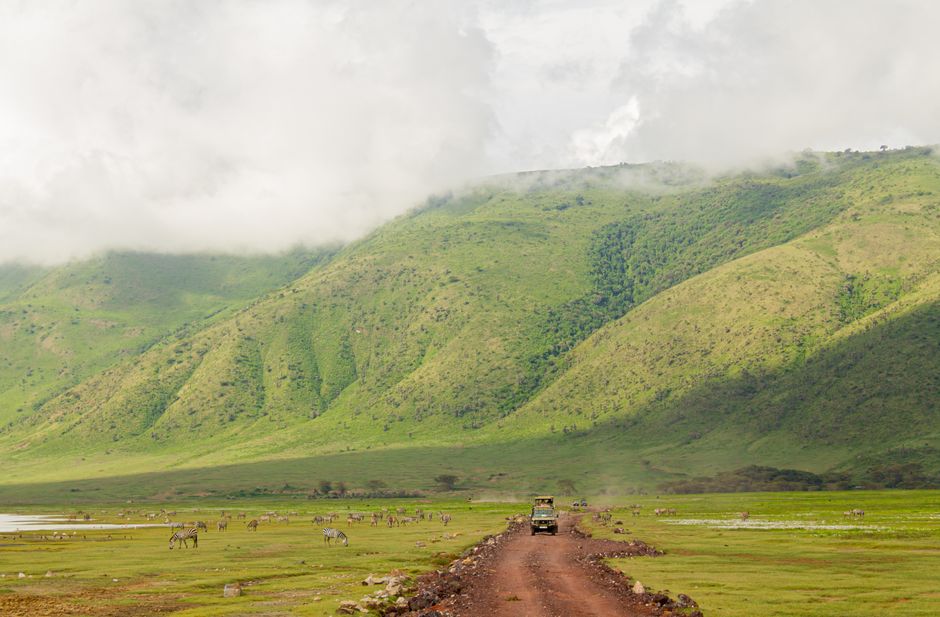
Why Early Starts Are Non-Negotiable
Ngorongoro typically demands an earlier morning than many other wildlife days. The goal is to reach the Ngorongoro Crater window with enough time to enjoy the scenery and wildlife without rushing.
Because this is a “full-focus” day, the stay that works best is usually one that makes mornings straightforward: a reliable alarm routine, a packed breakfast ready on time, and a vehicle waiting where it can depart immediately. If you’re aiming for the crater experience while keeping your viewing respectful and unrushed, a calm departure from your room is a genuine advantage.
When a Split Stay Becomes Your Best Backup
If your main concern is protecting a crater morning from weather surprises, consider a split approach: one night in Arusha, then one night closer to Ngorongoro before the crater day. Even if you plan to keep your safari mostly based around Arusha, this can be an effective contingency for foggy mornings or unexpected slowdowns.
This doesn’t mean abandoning Arusha. It means building redundancy into the plan so you’re less dependent on one single long morning drive.
What to Verify the Night Before
The simplest way to prevent morning chaos is to confirm details the night before your Ngorongoro Conservation Area day.
Ask your lodge and guide to agree on three things before you sleep:
- Your exact pickup time and the pickup location at the property
- What happens if visibility is poor (whether you delay, wait, or adjust the first segment)
- Where your packed meal will be handed over so you don’t lose time
Respect for wildlife starts with respect for timing. When you avoid rushing, you’re more likely to follow viewing guidelines properly once you reach the crater areas, and you’re less likely to pressure animals or exceed safe, ethical distances.
Making the Most of Your Arusha Stay
Build a Gentle Buffer Before and After Safaris
A great Arusha base isn’t just about getting out early; it’s also about returning safely and with enough rest to enjoy the next day. If your schedule allows, add a light in-town or nearby activity after an intense drive day rather than squeezing in something demanding.
A simple option is a relaxed morning in Arusha National Park for acclimatisation and a chance to stretch before a big safari day. Keeping one day gentler helps you stay alert, follow safety guidance, and enjoy wildlife calmly.
Choose Reviews That Mention Night-Time and Early-Morning Reliability
When reading guest feedback, focus on comments that relate to your exact needs: quiet sleep, reliable wake-up calls, breakfast readiness, and easy driver pickup. These details are more predictive than general “nice service” comments.
For practical booking research, many travellers find it helpful to read recent reviews on Booking.com, focusing specifically on early departures and communication.
A Quick Checklist for Smooth Transfers
Keep your decisions practical. Use this checklist-style approach when contacting lodges or confirming your plan with a guide.
- Can the lodge provide packed breakfast and water for dawn starts?
- Is pickup clearly defined, with a safe meeting point in low light?
- Is there a reliable way to reach staff at night and confirm final departure times?
- Do you have a realistic backup plan if visibility is poor?
Overall, choosing the right Arusha neighbourhood comes down to predictability: short, simple routes; lodge systems that handle packed breakfasts and quick checkouts; and clear backup routines for foggy or early starts. When your base supports smooth transfers, you spend more time watching wildlife attentively and less time rushing, which benefits both animal welfare and your own comfort.
Leave a Reply