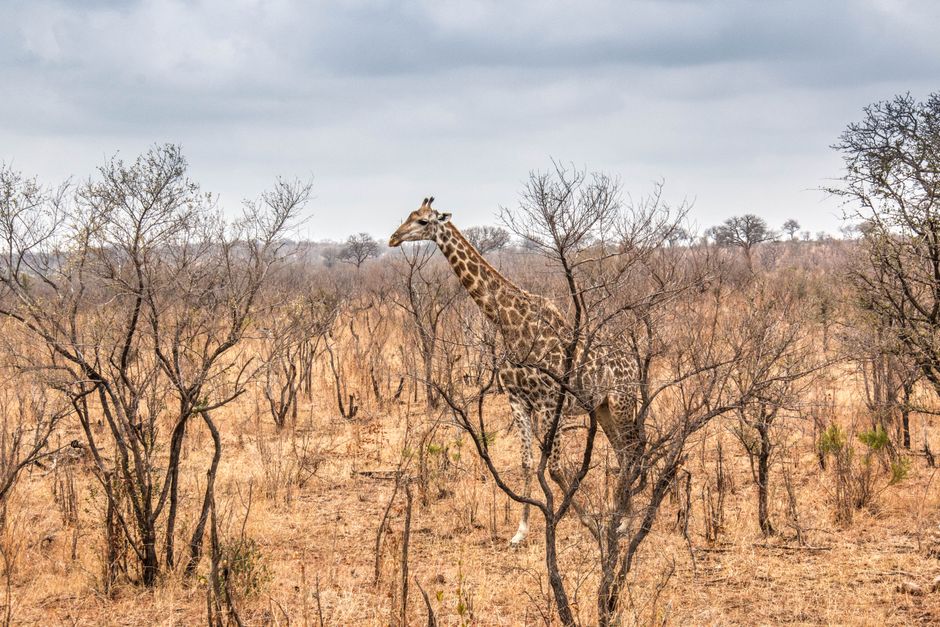
If you're planning a safari trip, you might be wondering how you can make your experience more sustainable.
Where you stay inside Kruger National Park affects everything: how long you spend on park roads, how often you’re in the right habitat at the right time, and how well you can stick to respectful wildlife viewing rules.
This guide focuses on where to stay for first-time safaris near Skukuza and Satara, with practical logistics to help you minimise long transfers while maximising your Big Five viewing opportunities.
Choosing the Best Base: Skukuza vs Satara

Short transfers, longer time in the right habitats
On a first Kruger trip, the biggest “upgrade” is often not an extra expensive activity, but simply being closer to where the sightings happen. Shorter drives mean more time for sunrise and late-afternoon game drives, fewer rushed meal breaks, and less likelihood of cutting your best wildlife hours short.
You also tend to see more variety when your lodge sits near a mix of roads and habitat types. In Kruger, habitat is everything: river corridors pull in elephants and buffalo, while grasslands can deliver dependable lion and cheetah viewing.
Skukuza: river habitats and classic Big Five roads
Skukuza is in the south-east of Kruger on the Sabie River region. That matters because rivers and riparian thickets concentrate wildlife, especially when temperatures climb. If you’re hoping for a well-rounded first-timer itinerary, a Skukuza base can keep you in striking distance of many of the park’s more “classic” roads.
Skukuza is also one of the easiest places to build a day-to-day rhythm, with morning drives that start early and afternoon drives that return before the light drops.
Satara: grasslands for big-cat action
Satara sits in central Kruger and is strongly associated with open, grassy landscapes. This is where you’ll often find a high density of grazers, which in turn attracts predators. Lions are the headline-makers in this region, but it’s also a strong area for learning how Kruger sightings build: you track clues, follow movement on the plains, and then focus your attention when hunters or scavengers appear.
For first-time visitors, Satara can feel like a “safari in real time”, because sightings often develop from wide-open viewpoints and steady road cruising.
Quick pick for your first itinerary (near your priority areas):
- Skukuza Rest Camp: best if you want river-focused days and an easy home base
- Lower Sabie Rest Camp: great if you like the Sabie River vibe and want flexible south-eastern loops
- Satara Rest Camp: ideal if you want central grasslands and big-cat chances
- Pretoriuskop Rest Camp: a practical mid-point to mix river and central habitats
Stays Near Skukuza (South-East Kruger): Riverfront Days
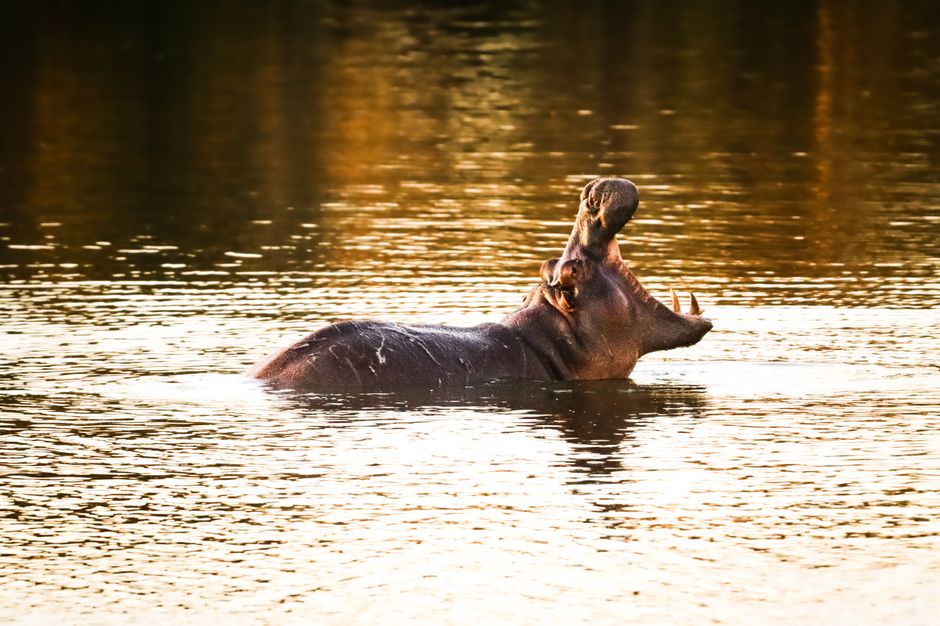
Skukuza Rest Camp: central for Sabie River drives
If you want a base that feels “plug-and-play” for a first safari, Skukuza Rest Camp is a logical starting point. It’s well positioned for exploring the Sabie River region, where animals move between water, shade, and feeding areas.
Practically, staying in Skukuza reduces the need for long, tiring transfers. That lets you spend more of each day in the areas most likely to deliver elephants, buffalo, and frequent predator sightings. Even when leopards or rhinos are elusive, river habitat often keeps the overall action consistent.
Lower Sabie and Crocodile Bridge: river season and wildlife density
For travellers who want a similar south-eastern feel, Lower Sabie Rest Camp is commonly chosen for its proximity to active river country. If your schedule includes wetter months, river corridors can become especially productive for sightings because animals concentrate around water.
Crocodile Bridge Rest Camp shifts the focus slightly toward the south-eastern boundary zone. It can be a good option when you want to structure your trip around varied drives that still start and end reasonably close to your accommodation. As with the whole region, wildlife frequency can vary from day to day, but staying in this cluster typically keeps travel time manageable.
When to add Sabi Sand Game Reserve lodges for leopard and rhino chances
Many first-time visitors include a complementary lodge outside Kruger in the Sabi Sand Game Reserve area, which is adjacent to Kruger in the south-west. This can be valuable if leopards and rhinos are top-of-list priorities, because sightings are often more predictable in this kind of well-managed adjacent concession.
In terms of logistics, this works best as a structured “add-on block” rather than something to mix loosely with daily long-distance Kruger drives. Pair it with a Kruger base like Skukuza or Lower Sabie so you maintain a sensible driving rhythm.
Stays Near Satara (Central Kruger): Big Cat Territory
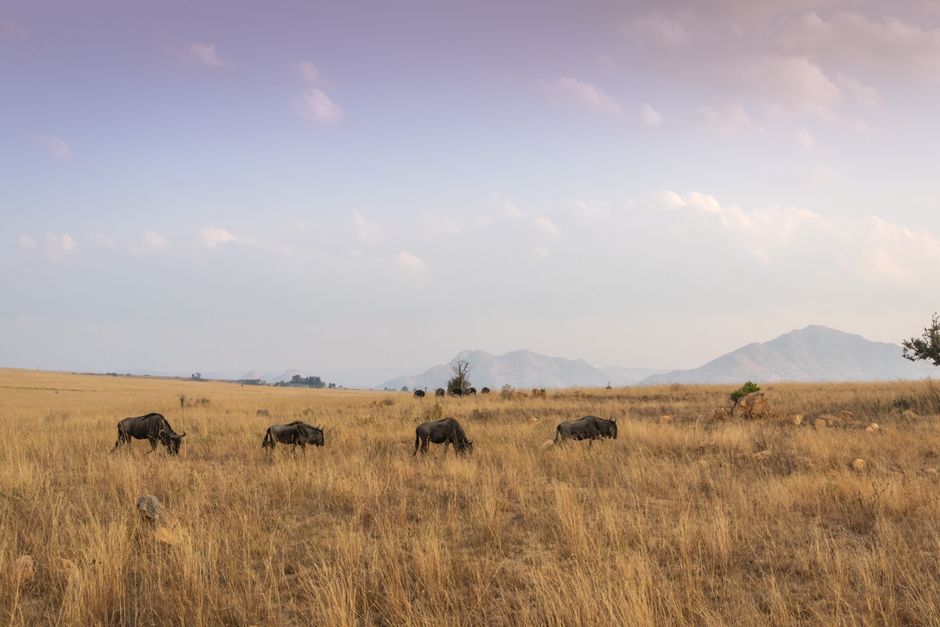
Satara Rest Camp: open plains and reliable sightings
Satara is a favourite for good reason: it’s close to central grassland viewing, where predator activity can be strongly linked to grazing movement. As a base, Satara helps you keep drives focused and efficient, which is especially helpful when you’re learning the park’s viewing patterns.
Expect your days to be shaped by what you see on the road: clusters of vehicles often signal something meaningful (such as predator hunting or a dramatic kill), and if you’re calm and observant, you’ll learn to read the landscape quickly.
Pretoriuskop Rest Camp: a practical midway for loop drives
Pretoriuskop offers a useful in-between option for travellers who don’t want to commit fully to only one side of the park. It can help you create a loop that blends central grassland time with access toward more south-eastern roads.
For first-timers, Pretoriuskop can also make meal and rest breaks smoother on longer multi-drive days, because it can feel less “far-flung” than the more distant north and far south areas.
Olifants Rest Camp: if you want eastward flexibility (with longer days)
Olifants Rest Camp sits toward the northern-central stretch and can be a good choice only if your itinerary allows for slightly longer drives from your main viewing times. The upside is that it may diversify your day-to-day habitat mix and give you more flexibility if you’re trying to see different predator and herbivore patterns.
If reducing long transfers is your top goal, consider Olifants as a secondary base after spending most nights closer to your priority points. When time is tight, a central/south-eastern concentration often makes more sense for first-timers.
Drive-Friendly Add-On Routes and How to Plan Them
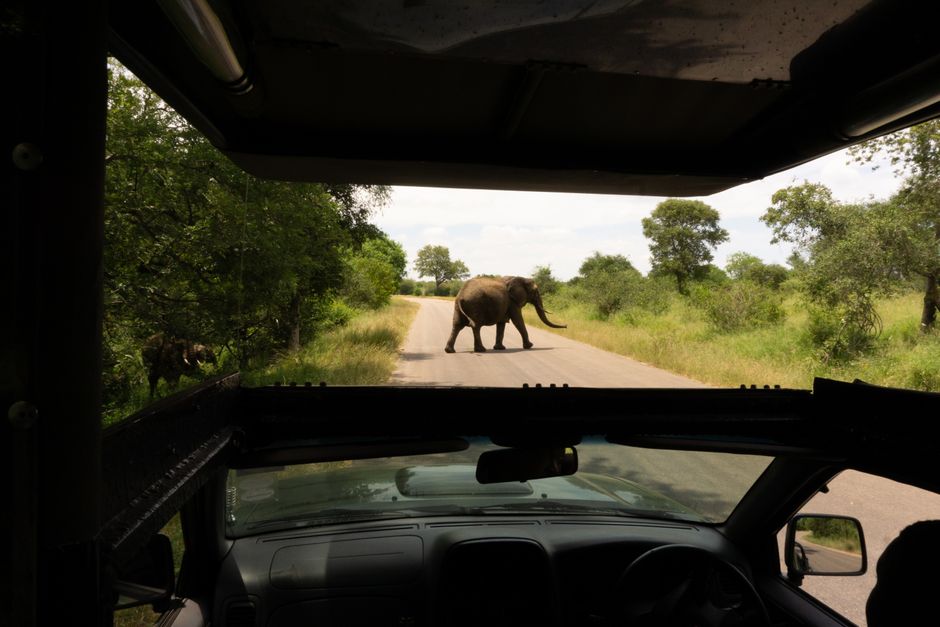
Pick your daily loop: river country vs central grasslands
A simple way to plan is to treat Kruger like two (slightly overlapping) storylines: river country and grassland country.
From a Skukuza/Lower Sabie base, your days naturally lean toward water-dependent wildlife movement along the Sabie region. From Satara, your storyline is more about open plains, grazer patterns, and predator responses. Either way, your goal should be to build a repeatable routine, not a complicated “drive-everywhere” schedule.
If you’re splitting your nights between Skukuza and Satara, keep your second base for at least a few nights so you’re not constantly reorienting each day.
Use the park’s timing: start early, focus in the late afternoon
Most first-time safari disappointments come from arriving at the wrong time rather than missing the “right” place. Plan around early morning and late afternoon because that’s when animals are often most active and easier to observe.
A practical approach is to schedule your day so that:
- Morning game drive covers your main target habitat
- Midday includes a slower period for rest and hydration
- Late afternoon returns to where you had the most promising movement
Even if you’re not seeing the exact animal on your checklist, consistent timing improves your odds across the board.
Managing expectations: Big Five is about likelihood, not a checklist
The Big Five (lion, leopard, elephant, rhino, buffalo) is best approached as a set of possibilities rather than a guarantee. Kruger sightings can be influenced by seasonal rainfall, grass height, water availability, and predator success.
Staying near Skukuza can increase your chances for elephants and buffalo through river proximity, while staying near Satara often supports strong big-cat viewing linked to open-country prey. Leopards and rhinos may still require patience, but reducing driving distances and maintaining steady observation time improves your overall outcomes.
Wildlife Welfare, Safety, and Respect for Communities
Keep to vehicle rules and stay in the viewing zone
In Kruger, safety depends on predictable behaviour. That means staying in your vehicle unless staff explicitly instruct otherwise, following the speed limits on tarred and gravel roads, and not driving off designated tracks.
It also means treating stationary sightings as a shared space: if vehicles are stopped, park staff will often guide you on where to position. Move slowly into line and avoid blocking other vehicles’ sightlines.
Wildlife welfare: distance, noise, and light
Good wildlife viewing is calm viewing. Don’t rev engines, shout, or use bright lights that disturb animals at close range. If you’re filming, stabilise your equipment and avoid sudden movements that can stress animals or draw them into unsafe behaviours.
For animals that are feeding, resting, or guarding young, your best contribution is restraint. The more you force an animal to react to your presence, the more you reduce the quality of the experience for everyone.
- Stay respectful of distance and avoid approaching on foot
- Keep noise low, especially near sensitive behaviour like feeding or mating
- Follow staff instructions first, even when another vehicle suggests a different route
Responsible lodge choices and community respect
Accommodation can influence how your trip affects the local area. Look for lodges that prioritise conservation practices, responsible waste handling, and staff training that reinforces wildlife respect.
It’s also worth choosing operators and guides who involve local expertise and communicate clearly about how sightings are tracked. When community connections are strong, conservation work becomes more effective and local livelihoods are better supported.
If you’re comparing availability for the camps mentioned above, checking dates and room types can take time; Booking.com is a useful place to confirm what’s on the calendar before finalising travel plans.
Overall, your best first-time Kruger strategy near Skukuza and Satara is to anchor your itinerary in a base that keeps drives short and observation windows long. Skukuza and nearby south-eastern camps suit river-driven days, while Satara and its central neighbours suit open-country predator focus. Combined with early starts, calm viewing, and strict wildlife etiquette, this approach helps you see more, stress wildlife less, and make the most of every day in the park.
Leave a Reply