
If you’re planning a trip for elephant sightings and Shire River boat safaris, you already know Liwonde National Park is one of Malawi’s best matches of land and water action.
This guide helps you choose where to stay in and around Liwonde, with a practical focus on quick access to the river, which bases are best for boat safaris, and where early-morning wildlife viewing is most productive.
Below, you’ll find the main stay options you’re likely to consider, plus how to plan your daily routine so you spend more time watching wildlife and less time travelling.
Before you book, remember that boating and elephants both require calm, respectful behaviour. Keep to your guide’s instructions, never crowd wildlife, and avoid any actions that could stress animals or put you at risk near the river edge.
Picking the Right Base for Fast Shire River Access
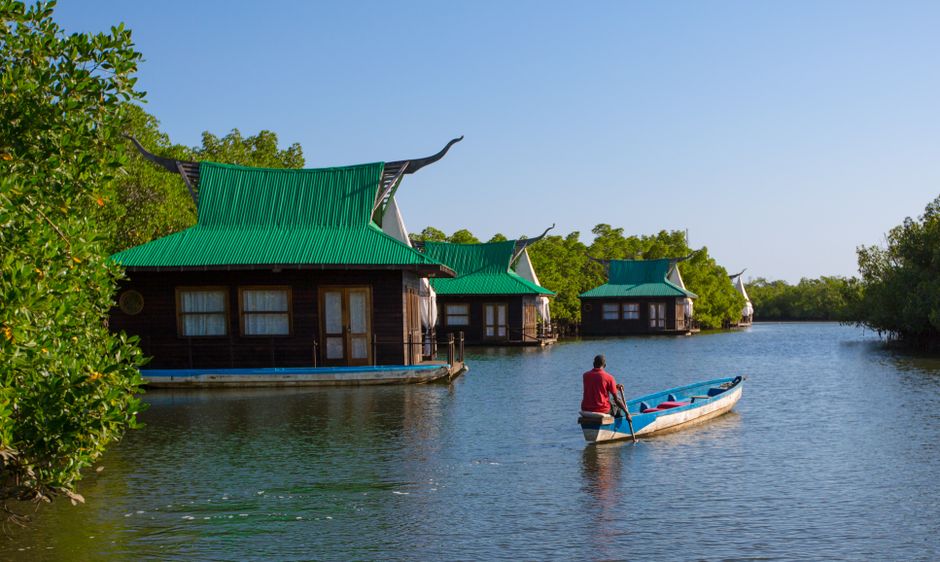
Prioritise river transfer time (it changes everything)
The fastest route to great boat safari mornings is simple: staying as close as possible to the Shire River access point used by your boat team. When the drive or walk to the water is short, you can schedule an early departure, return for breakfast, and still have energy left for a morning game drive.
In Liwonde, this matters most because early starts are when animals are most active around water sources, including elephant crossings and drinking spots.
Choose the stays most likely to arrange boat safaris
Most lodges in the Liwonde area can arrange a boat safari, but the ease of launching often depends on where your lodge sits relative to the park’s river activities. River-edge bases tend to offer smoother logistics, fewer transitions, and more consistent timing if weather or water conditions shift.
Ask your host a straightforward question before committing: “Where does the boat safari start for your guests, and how long does it take to get there?” The answer tells you more than any brochure promise.
Look for areas that favour sunrise wildlife
For elephant viewing, you’ll typically do best where elephants are likely to approach water at dawn. In Liwonde, that often means river-adjacent habitat and routes that connect open plains to thickets and riverine vegetation.
When choosing between bases, also consider how your morning drive plan will work. Some lodges are better positioned for first-light departures into the areas that are reachable early in the day.
- Quickest river access for boat mornings: Liwonde Rest Camp (within the park area)
- Strong match for boats + easy early viewing: Maramba River Lodge (river-focused)
- Good option when you prioritise game drives and short water logistics: Liwonde Safari Lodge (near the park circuit)
Liwonde Rest Camp: Simple Access for Early-Morning River Watching
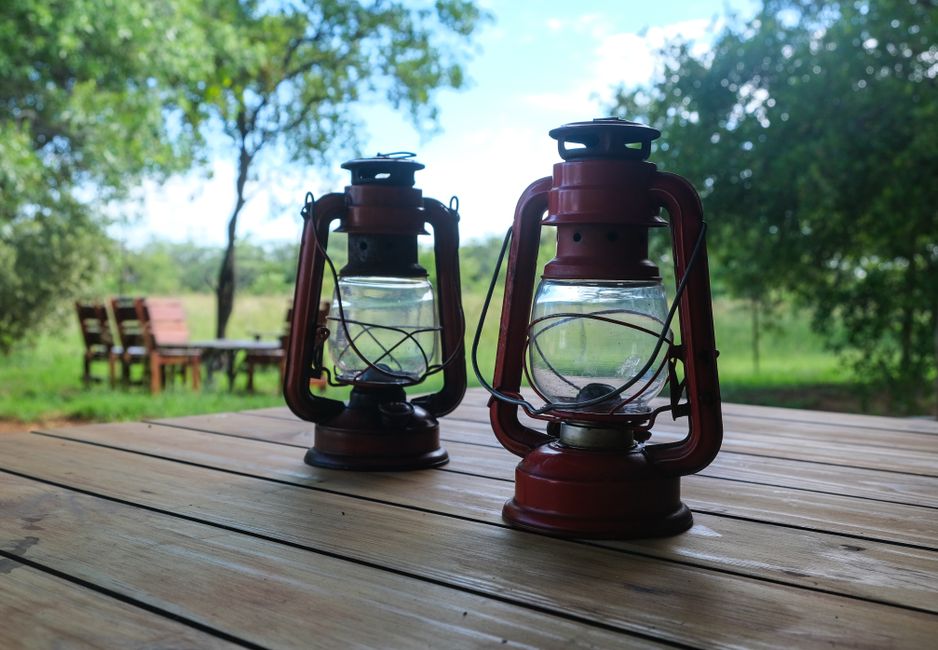
Why this base works for elephants and boats
If your priority is being close to the park’s activity zones, Liwonde Rest Camp is often the kind of practical base that keeps your schedule flexible. Staying inside the broader park area means you can usually be on the river sooner, which helps you catch elephant movement when it’s quiet and cooler.
This is especially helpful for travellers aiming to do both: a boat safari on the Shire and a land-based game drive later.
Best for sunrise viewing without long transfers
Early-morning wildlife viewing is rarely about “trying your luck” and more about being in the right place at the right time. With a camp that reduces transfer time, you can keep your morning rhythm steady.
Elephants may appear as solitary animals or in small family groups along riverbanks, using predictable paths between feeding and drinking areas. If visibility is clear at first light, you’re more likely to spot them before the day warms up.
Boat safaris: what to expect from the river experience
Boat safaris in Liwonde are often timed so you glide during the calmer parts of the day. Your guide should brief you on river safety and how close the boat should approach wildlife.
A good boat day is one where you watch quietly and allow animals space. Keep voices low, stay seated, and follow instructions if you encounter other boats, hippos, or crocodiles along the river.
Maramba River Lodge: Built for Shire River Safari Days
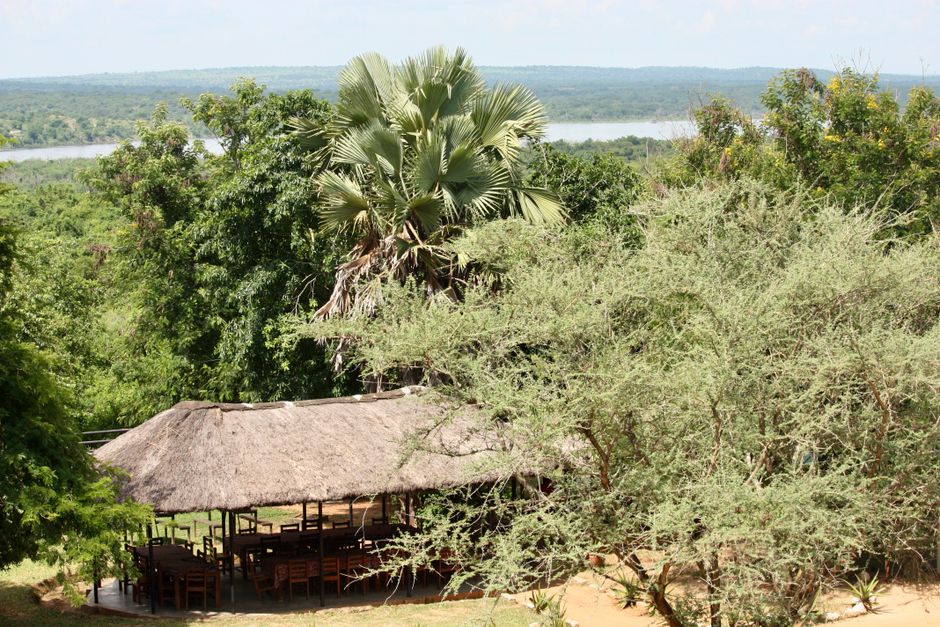
A river-focused location for smoother boat timing
Maramba River Lodge is widely considered a strong choice for travellers who want their stay to revolve around the Shire River. When your lodge is oriented toward the river, it’s easier to plan boat safaris at the best times and still manage an enjoyable pace for game drives.
That matters because the best sightings usually come from consistency: early departures, fewer rushed transitions, and enough downtime to enjoy what you’re seeing.
Early-morning elephant chances from the right habitat
Elephants in Liwonde often use river corridors and edges of open areas where they can drink, forage, and move efficiently. From a river-focused lodge, you’re typically positioned well for early movements, whether your plan is a boat outing or a short ride to elephant-friendly habitat.
If the morning starts clear, it’s common to see more wildlife before temperatures rise and animals retreat into shade.
How to judge boat safari quality for your group
Boat safaris can vary in how you’re guided and how the boat is handled. When you confirm your itinerary, check that:
- you’ll have a knowledgeable guide who understands behaviour and safe distances
- you’ll follow a calm viewing approach around hippos and crocodiles
- you’ll keep to timing that matches your wildlife goals, not just general schedules
Good boat days also allow time for careful scanning. Don’t let the day feel “consumed by rushing” between activities; instead, build your schedule around wildlife windows.
Liwonde Safari Lodge: A Comfortable Base for Land and Water Plans
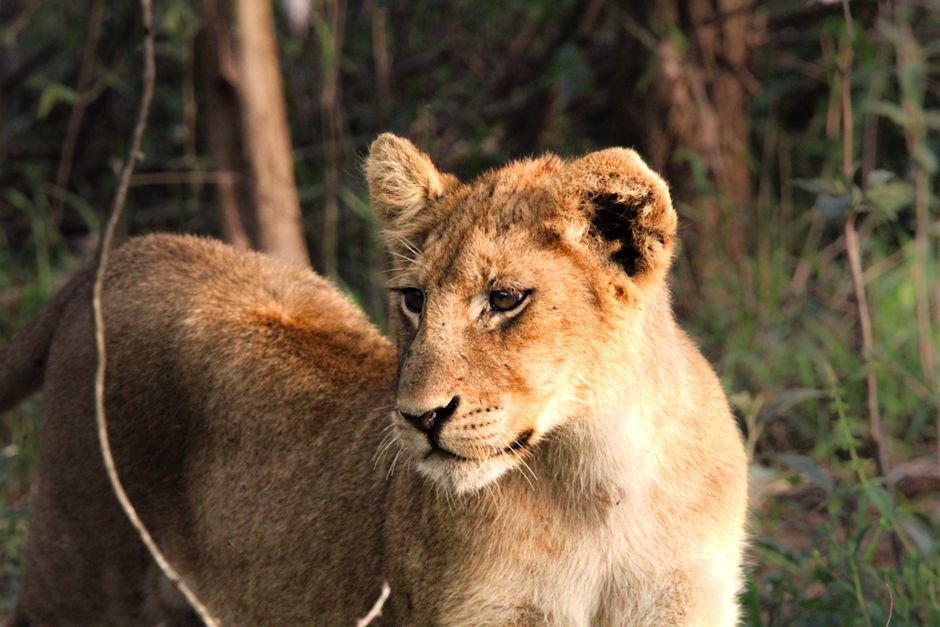
Where it fits for travellers who like a balanced itinerary
For many safari-goers, the ideal rhythm is one day dominated by elephants on land and another anchored by boat safari viewing. Liwonde Safari Lodge can suit that balance, especially if your goal is to alternate between river time and classic game-drive time.
The key is still the same: confirm transfer times to the river access point used for boating. “Nearby” can mean very different things depending on where your lodge sits relative to the morning departure route.
Early morning viewing: plan the start time, not just the lodge
If you’re aiming for early-morning wildlife, the lodge itself is only half the story. Your early-morning success depends on when your day starts, how quickly you’re on the route, and whether your guide can reach the most productive areas before the heat builds.
When you speak with the lodge team, ask for the usual morning routine for guests doing both a boat safari and a land drive. That will help you understand how often you’ll be able to start at or near first light.
Boat safaris from this base: practical questions to ask
Boat safaris are best when they’re coordinated smoothly. Before you arrive, ask:
- whether the lodge has its own launch point nearby or whether boats depart from a shared access area
- how long it takes to get there in the early morning
- what happens if weather or river conditions change
Responsible operators adjust plans while keeping guests safe and ensuring animals aren’t pressured by sudden, repeated approach attempts.
Making the Most of Elephants and Boat Safaris in Liwonde
Timing: dry-season patterns and water-dependent scheduling
Liwonde’s wildlife viewing is closely tied to water. In drier periods, animals often concentrate around riverine habitat, which can make sightings more frequent and easier to interpret.
Boat safari timing also depends on river conditions. When water levels are suitable, boats can operate smoothly, and your guide can choose routes that maximise viewing. When conditions are less favourable, operations may pause or adjust, so build flexibility into your itinerary.
Wildlife welfare and respectful viewing on land
For elephant encounters, the golden rule is distance and calm. Follow your guide’s instructions, keep your vehicle movements slow, and avoid blocking paths elephants might be using.
If elephants show signs of discomfort, such as increased tail swishing, ear flaring, or changes in direction that seem more reactive than purposeful, the correct response is to stop moving and give them space. Responsible guides will prioritise animal wellbeing over the wish to “stay for one more minute.”
Boat-safari safety on the Shire (hippos, crocodiles, and river etiquette)
On the water, safety depends on discipline. Stay seated, keep hands and equipment away from the edges as instructed, and never attempt to stand or reach for a better angle.
A good operator also manages approach distances around wildlife and keeps a steady, smooth pace. Around hippos and crocodiles, wildlife should never be baited or chased, and boats should not crowd resting animals.
If you want easy access to accurate availability and room options for specific dates, it’s practical to check Booking.com once you’ve decided which lodge style fits your priorities.
A simple, safari-day rhythm that works
To combine elephants and boats without burning out, consider a two-part day structure:
- Start early for either a boat safari or the first game drive, depending on which activity you value most that day.
- Take a relaxed mid-morning break, then head out again for the second viewing window.
This approach keeps your animal observation time high-quality and your pacing comfortable. It also reduces the temptation to chase wildlife aggressively, which benefits both safety and animal welfare.
Overall, the best base in Liwonde is the one that keeps you close to the Shire River access point, aligns with boat safari operations that match your preferred timing, and puts you in position for calm early-morning viewing. Use river transfer time and sunrise planning as your decision filters, then let responsible guiding do the rest.
Leave a Reply