
If you're planning an African penguin safari, you know Boulders Beach is a standout for coastal birding. This guide maps the most convenient neighbourhoods to stay in, then shows how to build transfer-friendly days that pair penguins with other coastal wildlife.
You will get location-led advice (so you can start early, stay out late, and waste less time in traffic), plus on-the-ground welfare tips that help keep penguins and other birds undisturbed. Accommodation decisions here are really decisions about time, walking comfort, and the ability to follow viewing rules consistently.
Where to Stay for the Easiest Boulders Beach Visits
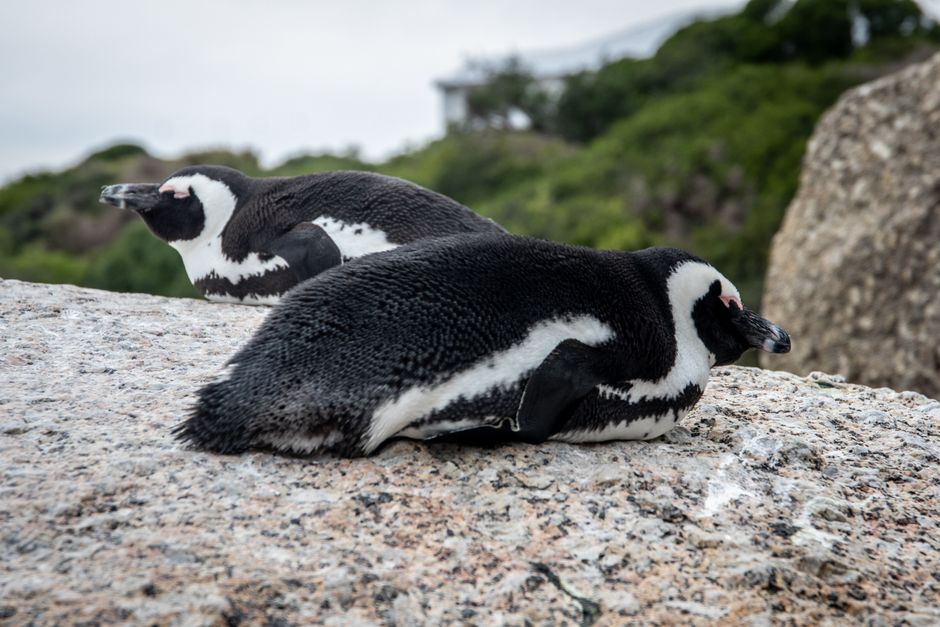
From Simon’s Town, you can also fit in a quick “second look” later in the day. That flexibility helps when weather shifts at the Cape Peninsula, especially with wind and visibility changing around False Bay.
Kalk Bay and Fish Hoek: coastal convenience with extra birding options
If you want a coastal feel while still keeping Boulders Beach within easy reach, Kalk Bay and Fish Hoek are practical bases. Kalk Bay in particular adds variety beyond penguins, because harbours and shorelines often hold different mixes of seabirds, shorebirds, and scavengers compared with a fenced beach-viewing setup.
Fish Hoek sits on a longer stretch of False Bay coast. That can suit travellers who prefer gentle coastal walks and who like to scan from shore whenever the mood strikes.
Glencairn and the False Bay shoreline: good for longer coastal days
For travellers whose priorities include coastal scenery and shore-based birding as much as penguin viewing, Glencairn is a useful base to consider. It can make it easier to combine Boulders Beach with additional coastal scanning during a single day, especially when you plan to move slowly and stop frequently.
This is also a good choice if the main goal is to build a relaxed itinerary rather than ticking off every location in one tight loop.
Transfer-Friendly Bases for Penguins Plus Other Coastal Wildlife
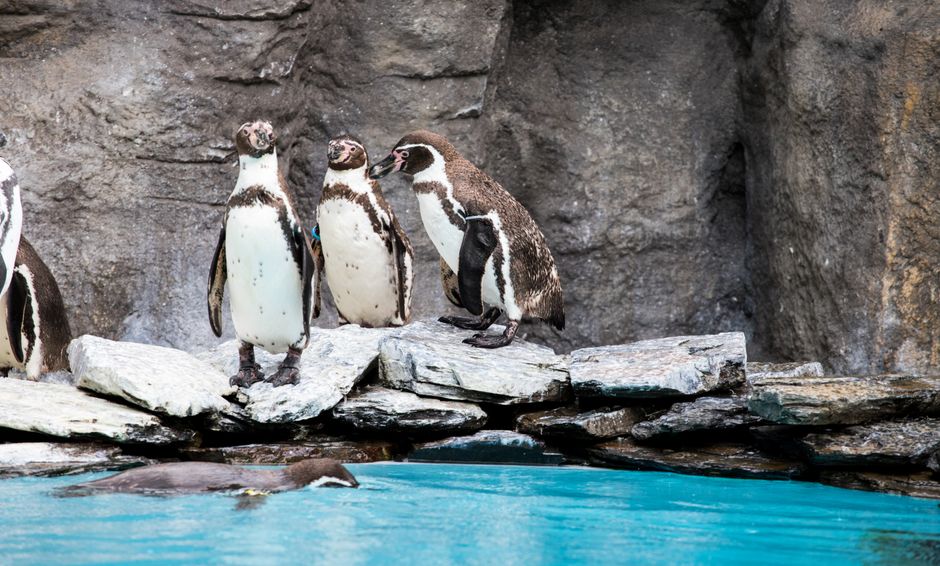
Look at your schedule the same way you look at tide and weather: choose one priority in the morning, then add a second location later with fewer expectations about exact sightings.
Harbour and shoreline scanning: Kalk Bay to Muizenberg
For coastal birds beyond the penguins, Kalk Bay to Muizenberg is a convenient corridor for shore-based birding. Harbour edges, rocky shorelines, and open beachfronts each attract different groups at different times.
It also works well for mixed-interest groups: penguin lovers get their main moment early, while birders can spend extra time scanning from vantage points along the coastline after the busiest viewing hours.
Day-trip planning: Cape Point Nature Reserve and the Cape of Good Hope
To broaden the wildlife variety, plan at least one day that reaches Cape Point Nature Reserve and the Cape of Good Hope area (both within the Cape Peninsula landscape associated with Table Mountain National Park). Even when you are not targeting a specific species, the sheer range of coastlines and cliffs often brings surprises.
Because this kind of day can be weather-dependent, the best approach is to treat it as a flexible wildlife outing rather than a strict checklist. If visibility turns windy or foggy, shift to shore scans and shorter stops where birds still feed.
Coastal Birding Near Your Stay: What to Watch and Where

A helpful rule is to scan in layers—water surface first, then floating flocks, then individuals perched on rocky edges or surf zones. That layered approach tends to reveal more species without increasing disturbance.
Shorebird and estuary-style habitats: make room for a quieter stop
Even on a short trip, it helps to include at least one quieter habitat type besides a beach viewing area. Low-lying coastal stretches and estuary edges (where available along your route) can be better for shorebirds than purely cliff-and-surf viewpoints.
This doesn’t require a long hike. The aim is simply to give your birding day a habitat “mix”, so you’re not searching the same landscape feature over and over.
Species you can realistically target around Boulders and the wider coast
Around the Boulders Beach area and along False Bay’s accessible coastal routes, you can often focus your attention on a short list of likely species. For coastal birding, it’s usually the steady, common species that deliver the most sightings.
- African penguin
- Cape gannet
- Bank cormorant
- Kelp gull
- Black oystercatcher
- Crowned cormorant
If your goal is photography, this shortlist is also useful because you can plan for similar light and flight patterns. It also keeps the experience calm: you can spend longer observing one target species rather than constantly changing locations.
How to Plan Your Days for Early Light and Calm Viewing

Keep movements controlled once you’re near viewing areas. The easiest way to avoid unintentional disturbance is to pause often, keep your voice low, and avoid sudden gestures that might draw attention to the birds.
Coastal birding timing: use wind and cloud to your advantage
Bird activity changes with light, wind direction, and the strength of onshore conditions. When conditions are stable, seabirds can be easier to track as they commute between feeding zones and perches.
When conditions change, avoid the urge to “chase” birds aggressively. Instead, pick two or three shore viewpoints you can revisit from the same respectful distance. Many coastal birds return to predictable routes once they settle.
Photography habits that protect welfare
Good bird photography is also good welfare. Use a longer lens rather than approaching, keep the camera steady, and avoid taking repeated steps to “reframe” a shot.
If birds move away, treat that as information. Back off and give space. The goal is to observe, not to train wildlife to respond to your presence.
Choosing Accommodation That Fits Penguin Viewing and Coastal Birding
What to look for in your stay near Boulders Beach
The most convenient neighbourhoods still vary in comfort and ease, so choose based on how you’ll operate day-to-day. For penguins and coastal birding, these factors usually matter most.
- Easy access to Simon’s Town or the False Bay coast so early departures feel simple
- Comfortable walking conditions (paths, slopes, parking layout) for quick return trips
- Reliable check-in and a schedule that supports morning wildlife plans
- Good communication about quiet hours and respectful behaviour in shared spaces
- Room layouts or private spaces that help you avoid shining lights or making sudden noise near wildlife-viewing times
Parking, transport links, and accessibility
A transfer-friendly stay reduces the “friction” that causes rushed behaviour around wildlife. When parking is straightforward and routes are predictable, there’s less need to cut through residential areas or stop suddenly.
If you’re driving, it also helps to choose accommodation where you can leave early without complex turning or reversing. Those small inconveniences often lead to late starts, and late starts usually mean crowded viewing windows.
Practical booking and the value of neighbourhood fit
For availability near Simon’s Town and Kalk Bay, Booking.com can be a practical way to compare options by location and review recent visitor notes. Use filters that highlight distance and transport comfort rather than only price, because the right neighbourhood can save enough time to make birding calmer.
A good final check is to confirm how your accommodation supports quiet nights and respectful guest behaviour. Wildlife viewing is not just what happens outdoors; it’s also about how your group behaves in shared spaces when you return.
Keep wildlife and local communities at the centre
Accommodation near Boulders Beach should never be treated as permission to ignore welfare. Keep to designated pathways, follow site viewing rules, and avoid blocking access for other visitors or staff.
Respect extends beyond penguins, too. Coastal birding often happens near working harbours and community spaces. Being considerate with noise, litter, and foot traffic protects both wildlife and local livelihoods.
Overall, choosing the right neighbourhood near Boulders Beach is mostly about buying yourself time: early starts for penguins, calm scanning windows for seabirds and shorebirds, and transfer-friendly routes that let you add other coastal wildlife without rushing. Prioritise convenience, quiet, and respectful access, and your trip becomes easier to manage day by day while keeping wildlife welfare front and centre.
Leave a Reply