
If you’re planning a safari trip, you might be wondering how you can make your experience more sustainable. In Bwindi, the way you choose where to stay directly affects how safely you reach gorilla trekking trailheads and how respectfully you spend time with Batwa communities.
This guide focuses on practical base options near Bwindi Impenetrable National Park. You’ll learn how sector choice affects access times, what “backup roads” often look like in wet weather, and how to pick accommodation that’s close enough to support and connect with community-run projects and Batwa walks.
Understanding Bwindi’s Sectors and What “Near the Forest” Means

Why sector choice affects your trek day
Bwindi Impenetrable National Park is divided into trekking sectors that determine where your gorilla permit experience starts. Staying close to your assigned sector usually means shorter, less stressful transfer times to the trailhead, which matters when mornings are cool, temperatures change quickly at altitude, and the forest path starts immediately after orientation.
Instead of thinking only about comfort, think about the full flow of the day: where the pickup point is, how long the drive takes before you even start walking, and whether you can be flexible if rain slows travel.
Access time, altitude, and “start earlier” reality
Even when lodges are only a short drive away, the final stretch to trailheads can be uneven. After rainfall, vehicles may move more slowly, and roads can be muddy or cut by water.
To plan well, treat transfer time as a range rather than a fixed number. Choose a base where even a delayed departure still leaves you within a reasonable buffer to be ready for ranger briefing, restroom needs, and any wet-weather changes to the day’s walking route.
How Batwa community walks fit in
Batwa community walks are usually arranged through local guides and community partners, often linked to educational trails, cultural demonstrations, craft, and storytelling. Where you stay can influence the ease of joining these activities without rushing.
Look for accommodation that can connect you to the specific Batwa walk provider operating in (or near) your sector, and ask how the meeting point works on rainy days. The best arrangements are the ones that reduce last-minute scrambling and keep your group respectful, on time, and prepared.
Buhoma: A Strong Base for First-Time Trek Planning

Stay close to the western trailheads
Buhoma is one of the most widely used starting points for gorilla trekking in Bwindi, and it’s often the most straightforward choice for travellers who want a practical, logistics-friendly base. The key advantage is that transfers into the forest can feel simpler on early mornings, especially when conditions are changeable.
When comparing places to stay around Buhoma, prioritise “time to the trailhead” over aesthetics. A lodge that’s a little less scenic but closer and easier to access can improve your entire trekking day.
Rain backup plans: reduce long last-mile transfers
In wet weather, the biggest risk is not the forest trail itself (rangers manage that), but the drive and last-mile access before you start. Around Buhoma, roads into the western sector can generally be more manageable than some steeper southern approaches.
Still, rain can cause delays anywhere. To handle this well, ask your lodge or your trip organizer what happens if vehicles can’t pass in certain stretches. A good fallback usually looks like:
- a clearly stated alternative pickup/meeting point within the sector
- extra buffer time built into the schedule
- guidance on whether the morning briefing location changes during heavy downpours
Proximity to community projects and Batwa walks
Staying in Buhoma can make it easier to integrate a Batwa community walk on a separate day, rather than trying to squeeze it in between trekking logistics. When planning your itinerary, check that the Batwa walk meeting point is close enough that you can arrive calm and prepared.
Also consider whether your accommodation supports local initiatives directly (for example, community guide employment, craft purchases handled through the community, or transparent partnerships). These aren’t just “nice extras”; they keep the benefits of tourism closer to the people preserving culture and telling their own forest story.
Ruhija: Higher-Ground Flexibility and Scenic Forest Moods
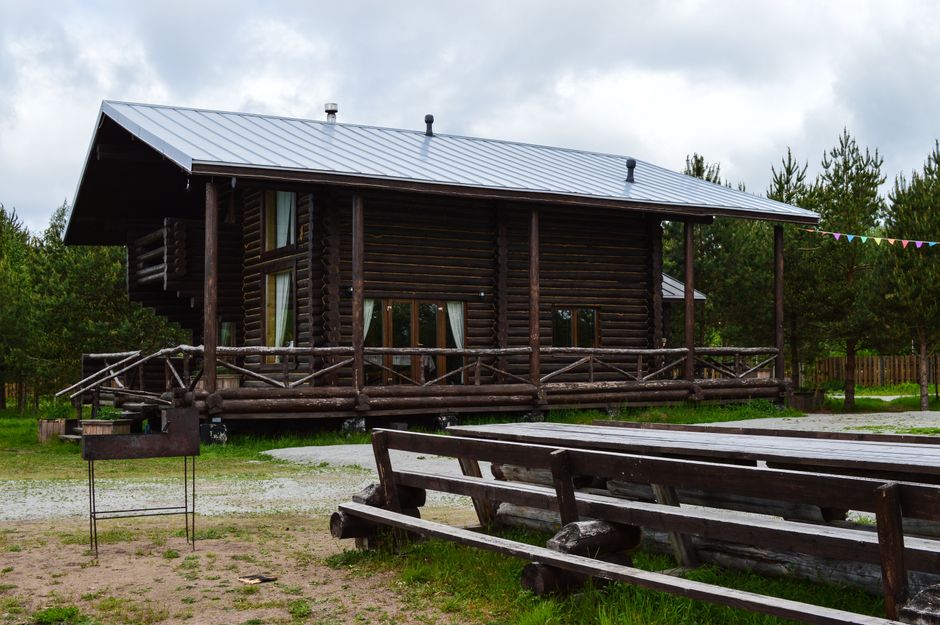
Trek-day comfort from a calmer base
Ruhija is a popular choice for travellers seeking a slightly quieter feel and a base that can be well suited to longer trekking days. The trade-off is that access and travel times may vary more with weather, so choosing an accommodation that offers consistent guidance matters.
When you’re booking, confirm the real location of the lodge in relation to the sector gateway used on your trekking day. Some properties market “near Bwindi,” but for gorilla trekking the question is how quickly you can be at the day’s specific assembly area.
Rain in the hills: what “backup roads” should mean
Southern and more elevated approaches can become slippery in rain, and winding roads can slow down even experienced drivers. A “backup road” here is less about a hidden highway and more about practical contingency: alternative routes to reach the same sector meeting point, or an adjustment to the timing and pick-up logistics.
Ask these questions before you commit:
- How does the lodge handle transfers when roads are muddy or temporarily unsafe?
- Is there more than one viable route to reach the sector gateway?
- Who communicates changes quickly if ranger briefing or vehicle access shifts?
The most helpful lodges are the ones that can explain their process clearly, not just promise that “it will be fine.”
Batwa community walk access in the Ruhija area
Batwa community walks may be coordinated through local community partners operating around the Bwindi region. The best fit is the one that matches your schedule without cutting corners—especially if you want enough time afterward for thoughtful conversation, not rushing.
Choose a base in Ruhija if you value a calmer pace and can confirm the walk provider’s meeting point, timing, and any requirements for photographs, donations, or group behaviour. Respectful participation is part of the experience.
Nkuringo and Rushaga: Southern Sector Choices With Steeper Logistics

Nkuringo: when you want strong community links and a forest-forward feel
Nkuringo is one of Bwindi’s southern sectors where trekking days can feel more adventurous in both terrain and approach. Staying here can be ideal if your itinerary places you in the southern side’s trekking group and you want a base that keeps your transfer day efficient.
As with all sectors, the practical check is the same: how quickly can you reach the ranger briefing point, and how reliably can vehicles access the lodge during rainfall?
Rushaga: a base that suits travellers planning multi-day experiences
Rushaga is another southern option that pairs well with a multi-day plan, especially when you want time for gorilla trekking and a separate Batwa community walk without compressing everything into a single day.
Southern roads can be challenging during wet spells, so build your schedule with realistic margins. If the trekking day is your priority, the best accommodation choice is often the one that’s closest to the operational trailhead access route for your specific permit day.
Rain readiness and last-mile access to trailhead points
For both Nkuringo and Rushaga, rainy conditions can affect the last-mile journey more than travellers expect. Instead of assuming “nearby” means “easy,” verify how the final approach works.
Good preparation looks like:
- staying where the lodge can reliably reach you (or receive you) even when the road is wet
- confirming whether any alternative route is feasible to reach the sector’s briefing/collection point
- ensuring you have comfortable, grippy footwear and clothing prepared for damp conditions before the drive
Your guide and rangers will manage the forest part, but a smooth start begins with how you manage the approach.
Choosing Accommodation for Gorilla Trekking and Batwa Walks
The practical questions that prevent stress
To choose where to stay near Bwindi Impenetrable National Park, it helps to use a short checklist based on real trekking logistics, not marketing.
- How far is the lodge from your specific sector’s trailhead access point (and how long does it usually take at walking speed and by vehicle)?
- What happens if rain affects vehicle access: is there a clear alternative meeting point and who informs you?
- Where is the Batwa community walk meeting point, and does it align naturally with your schedule?
- Who provides your transport coordination (and how early do they confirm pickup times)?
Comfort that matters when mornings start early
For gorilla trekking and Batwa community walks, comfort should support your ability to follow instructions and move safely. Look for basics like hot water, reliable bedding, and a room that stays dry during heavy rain.
Since you’ll likely be dressing and undressing in damp conditions, also consider how easy it is to manage wet gear: a place to hang or dry clothing, a secure area for phones and cameras, and good storage so you’re not searching for items at the wrong moment.
Ethics, safety, and community impact close to where you sleep
Staying near the right community projects can improve both safety and respect. When you join Batwa community walks, treat the experience as a real cultural interaction, not a “show.” Follow your guide’s directions, avoid intrusive questions or comments, and ask before photographing people.
On the gorilla trek side, always follow ranger rules: keep the required distance, move calmly, avoid flash photography, and never attempt to track or approach the gorillas outside the guided process. Safety is part of respect, and respect protects wildlife and people.
If searching for availability and sector proximity feels like a puzzle, using Booking.com can help narrow down properties around the sector areas, but the final confirmation should still come from your operator or lodge about the exact trailhead access day-of plan.
Making the Most of Your Stay: Itinerary Tactics and Weather-Proofing
Build a two-day rhythm where possible
If your schedule allows, the most comfortable approach is to keep gorilla trekking and Batwa community time on separate days. That way, the trek day can be focused on the forest experience, and the Batwa walk day can be paced properly without rushing.
This rhythm also gives you room to adapt if weather shifts. When rain changes trail pace or vehicle access slightly, there’s less pressure to “force” activities immediately.
Plan around conditions: rain, mud, and flexible timing
Bwindi’s forest environment means rainfall is not unusual, and mud can affect both road transfers and walking comfort. Choose clothing and footwear that handle wet conditions, and expect that the ground may be slippery even when the sky brightens.
The best planning approach is simple: carry a realistic buffer into the day and communicate expectations with your lodge. Ask what time breakfast will be served on trek days, confirm the briefing time, and ensure you know where you’ll wait if pickup is delayed.
Keep community benefit close, practical, and transparent
The most meaningful stays don’t just “visit” communities; they support community-led experiences and local livelihoods. When you choose where to stay, prioritise lodges that can connect you to community partners for Batwa walks and that handle arrangements transparently.
Even small behaviours add up: shop for crafts appropriately through the relevant community pathway, respect boundaries during demonstrations, and make sure any contributions or fees are handled through the agreed community channels.
Overall, choosing where to stay near Bwindi is about matching your lodge’s location to your trekking sector, building in weather-proof transfer plans for rain-soaked roads, and ensuring your Batwa community walk is easy to attend without rushing. With the right base in Buhoma, Ruhija, Nkuringo, or Rushaga, you can make every day safer, calmer, and more respectful for the people and wildlife who make Bwindi extraordinary.
Leave a Reply