
If you're planning a safari trip, you might be wondering how you can make your experience more sustainable.
Finding the right place to sleep is one of the easiest ways to make your days more wildlife-focused and less time-consuming. This guide shows you where to stay near Hell’s Gate National Park so you can plan smooth drives, add great day tours, and spend more time watching rock hyraxes on the rocks.
You’ll also get practical guidance on best morning and evening viewing windows, what to prioritise inside the park, and how to keep your vehicle distance and behaviour comfortable for animals and welcoming for local communities.
Best Bases for Rock Hyrax and Easy Hell’s Gate Drives

Stay Inside Hell’s Gate for the Earliest Sunrises
If your priority is seeing rock hyrax activity on the cliffs with minimal rushing, overnighting in the park area is a strong starting point. Staying in the Hell’s Gate National Park campsites area helps you leave after first light and arrive when animals are still moving and the light makes scanning rocks easier.
This option also reduces “dead time” before a drive, which matters when your best sightings are often in the first and last hours of daylight.
Choose Naivasha Resorts for Comfort and Backup Plans
For travellers who prefer a proper room, a hot shower, and an easy return if weather changes, Naivasha offers multiple resort-style stays. Naivasha Sopa Resort is a well-known base on the Naivasha side, while Enashipai Resort & Spa also suits travellers who want convenient access to the wider Naivasha area for extra activities.
With these bases, the focus shifts slightly: you plan your drives in advance, then use your resort downtime for meals and early nights so you can still start safari mornings promptly.
Go Lodge-Style at Lake Naivasha Country Lodge
Lake Naivasha Country Lodge suits travellers who want a calmer lodging rhythm while still being close enough for regular day trips. From a lodge-style base like this, it’s easier to add an early game drive, then return in time for a slower afternoon birding session around the lake.
Drive Times and Park-Entrance Strategy

Typical Road Planning from Naivasha
Drive times vary with the exact entrance and road conditions, but as a rule of thumb, you should plan on roughly 60 to 90 minutes from central Naivasha to Hell’s Gate on a normal day. If you’re staying closer to the lake-side access roads, your approach is often smoother; if you’re deeper in Naivasha town, allow a bit more time for traffic and junction changes.
Always confirm the route in daylight the day before, especially if you intend to do an early departure. Roads near rural parks can change in quality with weather.
Build Your Days Around Morning and Late-Afternoon Windows
Rock hyraxes are most noticeable when people are most focused: early daylight for active scanning, and late afternoon when shadows define the rock faces. Other wildlife in the park also tends to be more visible when the sun is low and animals are moving between feeding and resting areas.
A simple rhythm that works well:
- First light to mid-morning: best for calm spotting and easier light on rock faces
- Midday: expect slower movement; use this time for rest or a short reposition
- Late afternoon to sunset: second peak window for hyrax and grazing activity
Use Day Tours to Reduce Planning Load
If you’d rather not spend every morning deciding what to do, schedule one “anchor” activity and keep the rest flexible. For example, plan a Hell’s Gate morning game drive for your hyrax viewing, then book a nearby excursion for the afternoon or the following day.
This approach also helps with wildlife welfare: fewer abrupt changes, fewer hurried stops, and more time spent quietly observing rather than rushing around.
If you’re comparing bases and want to double-check whether a place is realistically positioned for your first-drive start time, Booking.com can help you view locations and review guest comments that mention access and road conditions.
Rock Hyrax Viewing: Where to Look and How to Stay Respectful
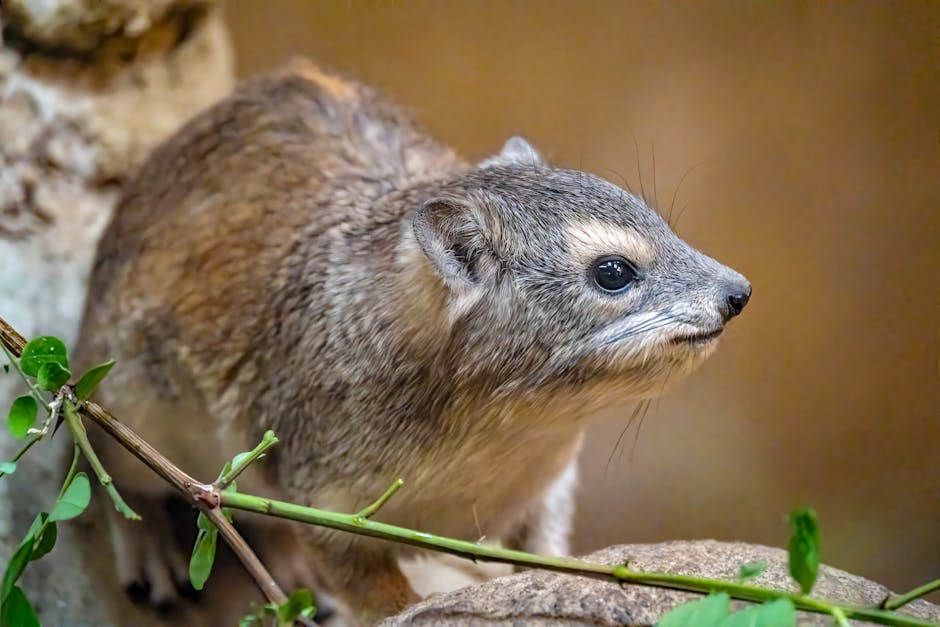
Know the Habitat Clues
Rock hyraxes are small, sure-footed mammals that use rocky outcrops and cliff-lined landscapes as both shelter and lookout areas. In Hell’s Gate, that means your viewing time is largely about reading the terrain: look for stacked boulders, shaded rock faces, and areas where animals can move in and out of crevices.
Instead of trying to “chase” an individual, give yourself time to scan a section steadily. Hyrax behaviour often includes short pauses and quick reappearances, especially when people are quiet.
Prioritise Cliff Lines and Boulder Edges
To improve your odds, build a viewing plan around vantage points where you can safely observe without moving closer repeatedly. From inside the park, guided drives and safe pull-in points help you watch without blocking other vehicles.
If you’re photographing, focus on steady observation first, then only adjust position if the driver/guide confirms it’s safe and permitted. The best images usually come from patience, not from constantly changing your angle.
Keep Distance and Avoid Stressing Animals
Hyraxes aren’t typically aggressive, but that doesn’t mean you should treat them as “safe to approach.” The most respectful viewing is the kind that keeps animals comfortable:
- Stay in the vehicle unless your guide specifically arranges an allowed walking moment.
- Avoid sudden revving, loud calls, or getting out to move toward animals.
- Don’t feed hyraxes, even if they appear calm.
When you treat hyraxes like wild neighbours rather than attractions, you’ll see more natural behaviour—and help keep the park a welcoming space for wildlife.
Nearby Day Tours That Extend Your Wildlife Day

Crescent Island for Wildlife Viewing and Birding
Crescent Island Wildlife Sanctuary is one of the easiest ways to add more wildlife time while staying close to Hell’s Gate’s broader region. Many travellers use it as an afternoon add-on after a morning drive.
It’s especially useful for rock hyrax travellers who also enjoy scanning for birds, since the sanctuary’s lakeside setting draws a variety of waterbirds. Even when your main target is hyrax, this kind of paired day plan keeps the trip balanced: mammals in the park, birds and additional wildlife around the lake.
Mount Longonot for Dramatic Landscape Views
Mount Longonot National Park is a good complement if you want a change of pace from vehicle-based drives. It’s not a dedicated rock hyrax destination in the way Hell’s Gate is, but the elevation and crater views can be a memorable second “day activity” once you’ve already ticked off your hyrax and plains game morning.
Consider doing it on a day when you’re happy with more walking and slower wildlife scanning. It’s a great option for travellers who want variety without travelling far from Naivasha.
Lake Naivasha for Boat-Based Wildlife Time
Lake Naivasha offers another natural extension to your itinerary. If you’re staying near the lake or in Naivasha resorts, you can add boat-based sightseeing that focuses on waterbirds and shoreline wildlife.
This is a particularly good counterpoint to rock hyrax viewing because it gives you a different scale of movement: instead of scanning rocks and cliff edges, you’re watching birds take off, settle, and feed across open water.
Safety, Ethics, and Conservation-Friendly Stay Choices
Follow Safe Driving and Viewing Rules in the Park
Good viewing is also safe viewing. Hell’s Gate is a place where animals move near roads and open areas, and conditions can shift quickly as the sun changes. Keep these priorities consistent regardless of where you stay:
- Keep a respectful distance from wildlife and avoid blocking movement corridors.
- Don’t position your vehicle so that you’re forcing animals to change direction.
- If visibility is low, prioritise safe driving over chasing a sighting.
Your guide’s instructions should always come first, especially if they’re managing other vehicles, pedestrian areas, or recommended routes.
Plan Walking Carefully When the Opportunity Fits
If you join any walking component, it should be guided and route-specific. Walking safaris can be wonderful for noticing tracks, rock formations, and small mammal behaviour, but they need discipline: stay with the guide, keep your group together, and avoid stepping into sensitive ground where animals feed or shelter.
Even when rock hyraxes are visible, the safe rule is the same—don’t close the distance unless your guide explicitly allows it.
Choose Accommodation That Supports the Local Environment
Your base can influence the quality of your experience. The most helpful accommodation choices are the ones that encourage responsible behaviour: clear guidance on park rules, respect for local staff, and policies that reduce unnecessary disturbance around the property and access roads.
Think practically when deciding where to stay: if you plan to do early drives, you’ll benefit from a place that can support quiet mornings and consistent breakfast timing. If you want a second daily activity, look for a base that makes it straightforward to reach Crescent Island Wildlife Sanctuary or Lake Naivasha boat options without stressful last-minute changes.
Overall, the easiest way to maximise rock hyrax views and wildlife drives near Hell’s Gate is to choose a base that matches your schedule—whether that’s staying in the Hell’s Gate National Park area for sunrise starts or using Naivasha resorts as a comfortable base for day tours. Combine morning and late-afternoon timing, keep distance and calm behaviour consistent, and use nearby additions like Crescent Island, Mount Longonot, and Lake Naivasha to round out each wildlife day without rushing.
Leave a Reply