If you’re planning a safari near Nyerere National Park, then you know the most important decision is where you’ll sleep before each day’s activities. The right base helps you spend more time watching wildlife and less time on the road.
This guide compares Rufiji River access bases versus safari-lodge hubs, then shows which type of stay works best for lions, hippos, and wildebeest. You’ll also find practical planning tips to keep drives shorter, schedules realistic, and wildlife viewing respectful.
Nyerere’s attractions are closely tied to habitat and daily movement. Hippos are largely a river story, while lions and wildebeest often respond to different land features and timing during the day. Choosing a stay that matches those patterns is the easiest way to improve your chances.
Matching Your Stay to the Big-Three Sightings

Why hippos, lions, and wildebeest “want” different days
Hippos are most consistent where water is dependable, so river-focused stays often create the smoothest routines: an early boat outing, a late afternoon river check, or time on the banks when animals are most active.
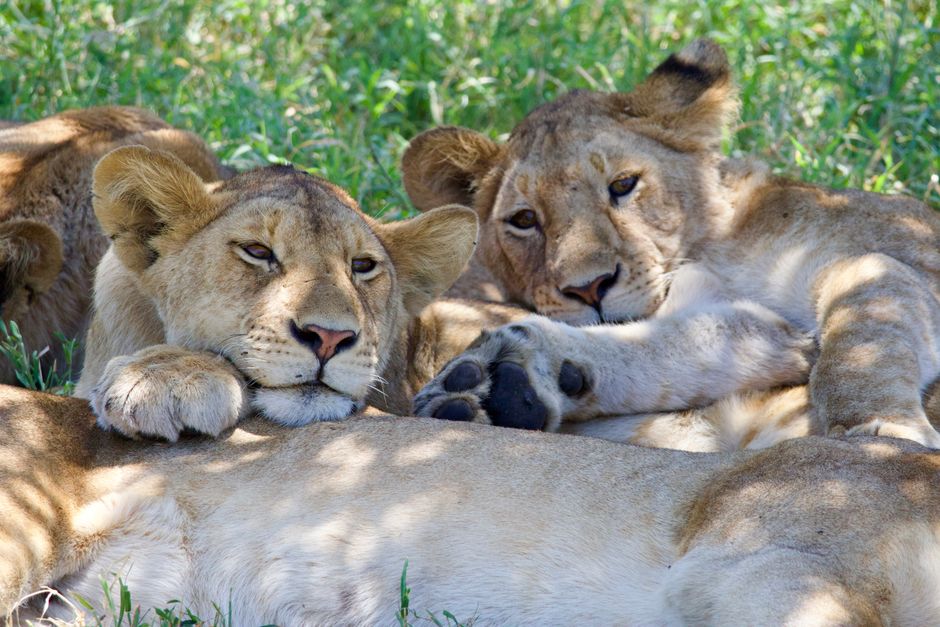
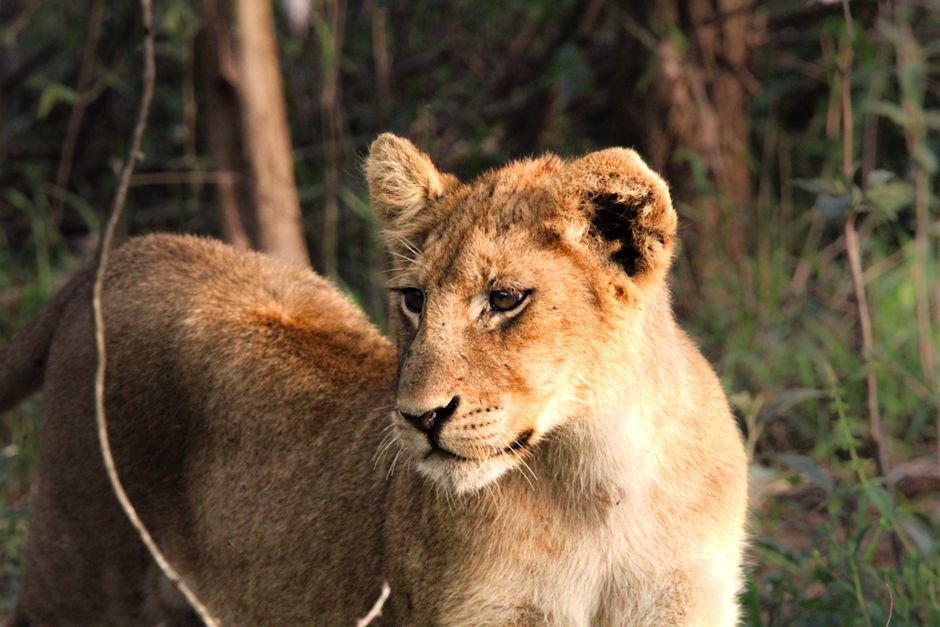
Lions, by contrast, are not tied only to water. They can be seen during vehicle-based game drives across woodlands and grass-influenced areas, where prey is more visible and where sightlines help spotting.
Wildebeest sightings often improve when conditions bring them into open grass, along travel corridors, or near water sources. Even within the same season, their presence can shift with rainfall and grazing pressure.
Two base styles that change your whole itinerary
Most travellers end up choosing between two broad “stay styles”:
- Bases that prioritise Rufiji River access, which make river time feel effortless.
- Bases that operate like safari-lodge hubs, where daily game drives are efficient and flexible.
Both styles can work well, but they trade off against each other. The best choice depends on which sightings you most want to protect from long drives and tight schedules.
One park, many viewing rhythms
Instead of thinking about “where lions, hippos, and wildebeest are,” it helps to think about “when and how you’ll see them.” A base that reduces transfer time gives guides more room to respond to animal movement, rather than rushing to the next activity window.
Rufiji River Access Bases: Best for Hippos and River Beats

Staying closer to the waterline
Rufiji River-access bases are built for guests who want water-based time to be part of the day, not an occasional add-on. That usually means riverfront or near-river camps and lodges where transfers to boat departures and riverbank viewing are straightforward.
This style is especially effective for hippos because it reduces the pressure to “fit everything in” between long road segments.
Boat days and the best light
For river-viewing days, the practical win is schedule design. You can often plan:
- A calmer morning departure when animals are more visible and boat traffic is typically less disruptive.
- A late afternoon or early evening check when heat eases and wildlife use the banks more.
Even if you’re not on the water for the full day, simply being close to the river makes it easier to add a short bank stop when your guide hears of activity.
Trade-offs to consider
River-access stays can involve more heat exposure and humidity during parts of the year, and some stretches of river-country can feel challenging if you’re prone to seasickness or if conditions on the water become rough.
It can also mean you rely less on walking or long mid-day drives, simply because the day is structured around the river. If you’re lion-focused, you’ll want to balance this with a plan that still guarantees enough game-drive time.
Safari-Lodge Hubs: Shorter Game-Drive Days for Lions
When “hub” matters more than “distance”
A safari-lodge hub is usually a base that’s practical for game-drive departures: vehicle parking close by, straightforward access to the routes your guide uses, and a routine that keeps morning drives comfortable.
Choosing a hub-style stay can reduce the stress of switching between river and game-drive priorities, especially when you want to focus on lions during daylight hours.
Wildebeest viewing often improves with predictable drive patterns
Wildebeest can be easier to find when your day structure is consistent. A hub-style stay supports this by letting guides return to known sighting areas or adjust in a controlled way if herds are moving.
Instead of treating each day like a long logistics puzzle, you end up with repeatable drive timing, which helps your guide build a “pattern” to hunt for the animals you came for.
Trade-offs: fewer river windows
The biggest downside of lodge hubs is that river time may become a “managed block” rather than an easy add-on. That can reduce spontaneous bank checks, and it may make hippo encounters less frequent if river conditions are better on the day you would otherwise be driving.
If hippos are a top priority alongside lions, you’ll usually get the best results by either choosing a hybrid base or considering a two-base approach.
Choosing the Right Mix: One Base or Two-Base Stays

One-base stays: best when you want simplicity
Staying in one place can work well if you’re happy with a balanced itinerary. A strong one-base plan usually includes:
- At least one dedicated river day (for hippos).
- Several game drives across different parts of the park or nearby concessions (for lions and wildebeest).
- A relaxed buffer so the guide can respond to animal movement.
This approach reduces the number of transfers, which is helpful for people who prefer not to pack and repack frequently.
Two-base stays: best when driving time is your biggest concern
If the idea of multiple long drives affects your comfort level, a two-base plan can be a smarter way to protect your time. The concept is simple: use one base for river-first days and another for game-drive-first days.
Here are the main base combinations to consider:
- Rufiji River-access base for hippo-focused boat and bank time, paired with a central game-drive hub for lion and wildebeest drives.
- Rufiji River-access base for river activity, paired with a second hub that gives you earlier departure times for morning game drives.
- One river-focused base plus a second night closer to the park’s most accessible game-drive routes, so you can stay longer in peak wildlife hours.
- Two hub-style nights (if you mainly want lion and wildebeest), but keep at least one river window protected so hippos remain part of the trip.
How to plan days so you don’t miss your best chances
Regardless of whether you choose one base or two, try to keep your schedule responsive. If you lock every activity into a fixed timetable, you lose the flexibility guides use to capitalise on fresh sightings.
A practical approach is to request an itinerary that groups similar activities together: river time in one block, then game-drive time in another. This reduces back-and-forth movement and improves the odds that your wildlife viewing remains calm, safe, and unhurried.
Practical Booking and Wildlife-Respect Tips
What to ask about access before you commit
Before choosing a stay, clarify how your transfers work for the specific activities you care about. Terms like “river access” can mean different things depending on the lodge’s location and the season.
Useful questions include:
- How long the transfer usually takes to river departure points.
- Whether lion-focused days are built around morning drives, late afternoons, or both.
- What happens if river or track conditions change on the day.
This is also where a booking platform can help you compare options quickly when dates are flexible. Booking.com can be useful for checking availability and reading recent guest notes, as long as the wildlife itinerary still comes from your safari operator.
Respectful viewing around hippos and lions
Hippos are powerful and unpredictable. A responsible viewing approach keeps a safe distance and avoids blocking trails animals use to enter or leave the water. Boat interactions should prioritise animal behaviour over close contact.
For lions, respectful viewing means steady patience rather than pressure. Vehicles should follow the guide’s instructions on positioning and time on-site, and it’s best to avoid crowding groups of animals if another vehicle is already present.
Always remember that wildlife welfare comes first. If conditions make close observation risky or stressful, good operators shift focus rather than insisting on a particular sighting.
Safety for river time, heat, and night movement
River outings can involve more than just wildlife risk. Weather and water conditions matter, as do personal factors like motion sensitivity and hydration habits.
On land, Nyerere’s heat can affect stamina and decision-making. Drink regularly, use sun protection, and follow guidance on when to pause during the hottest parts of the day.
If night drives are part of your plan, confirm vehicle rules and safety procedures in advance. Night viewing can be excellent for learning about behaviour and movement, but it should still be managed calmly and professionally.
Overall, the best “where to stay” near Nyerere National Park comes from matching your base style to your sighting priorities: choose Rufiji River access when hippos and river days are central, and choose safari-lodge hubs when lion and wildebeest game drives are your main goal. If driving time is the limiting factor for your comfort or your schedule, a two-base approach can reduce transfers the most while still protecting the full set of sightings you came for.
Leave a Reply