
If you’re planning chimpanzee trekking and Kazinga Channel boat cruises, then you know that where you stay can make the itinerary feel smooth or exhausting.
This guide walks you through the best bases near Queen Elizabeth National Park, organized by objective: chimp permits, boat days on the water, and crater-forest drives from the Fort Portal side. You’ll also get practical expectations for drive times, so you can plan days that start early when they need to and stay relaxed when they can.
You’ll mainly be choosing between three “rhythms”: early morning chimp tracking (usually tied to Kyambura Gorge), daytime water viewing (often easiest from the Mweya area), and longer crater-forest excursions from Fort Portal.
Choosing Your Base: Objectives That Shape Drive Times
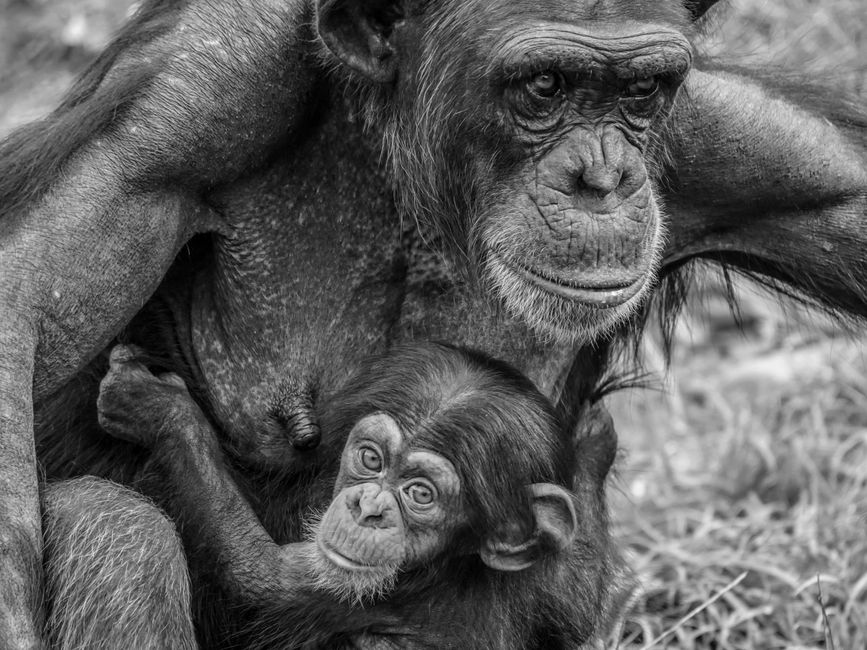
In planning terms, aim for accommodation that lets you reach the trek start area without rushing. On many itineraries, early departures are normal, because chimp tracking can only begin once the briefing and vehicle positioning are complete.
Boat days at the Kazinga Channel (Mweya)
For Kazinga Channel boat cruises, the Mweya Peninsula area is usually the most convenient base. This is where many day outings align with smoother morning or afternoon timing, because the departure point is relatively close to a range of lodges and safari routes.
If your ideal day includes wildlife on the water, focusing your stay near Mweya often means less back-and-forth and more time for spotting hippos, elephants, and waterbirds from the boat.
Crater-forest days from Fort Portal
If crater-forest drives, chimp add-ons, or primate-focused walks in the broader region are part of your plan, Fort Portal can act as a practical launching point. These trips tend to involve longer road days than staying within the Queen Elizabeth area, but they can add variety and help you balance your itinerary.
The key is to pair the longer journey with a full day of activities, rather than trying to “fit it in” between early and late commitments.
Best Places to Stay Near the Park (and How They Work for You)

- Kyambura Gorge (chimp trekking access): best if your main goal is minimizing morning road time for chimp tracking.
- Mweya area (Kazinga Channel boat cruises): best if you want boat viewing with less driving and easier scheduling.
- Queen Elizabeth National Park area stays (general safari days): best if you want flexibility for savannah wildlife drives plus occasional special activities.
- Kibale National Park side (chimp trekking add-on): best if you’re willing to base farther out to pair Queen Elizabeth with another chimp-focused forest experience.
- Fort Portal crater-forest region (day excursions): best for crater-lake scenery, forest walks, and longer wildlife-focused drives outside the park.
These choices are about reducing friction. The “best” base is the one that protects your energy for early starts, keeps your drives sensible, and still gives you time to enjoy the wildlife rather than just pass through it.
Kyambura-focused stays for chimp trekking starts
A Kyambura-oriented base works particularly well if chimp trekking is non-negotiable. Staying within an area that’s naturally closer to Kyambura helps you avoid the most stressful scenario: arriving late or feeling rushed at the briefing stage.
Practically, that means selecting accommodation that offers straightforward access to the Kyambura side of Queen Elizabeth. Many travelers find it easiest when the lodge or property is on routes that don’t require complicated re-routing through town.
What to consider beyond distance is timing. If your chimp tracking is scheduled for the morning, plan for an early breakfast and a calm pre-departure routine. It’s also worth keeping your afternoon lighter on the same day, since chimp tracking can be physically and emotionally demanding even when the weather is kind.
Mweya-area lodges for early boat departures
If you’re building your days around Kazinga Channel boat cruises, staying in the Mweya area generally helps you avoid a long drive right before boarding. That matters because boat cruising days often reward patience: you’ll spot different animals at different times, and the best viewing comes from staying engaged rather than watching the clock.
Mweya is also a good base when you want the flexibility to pair a boat day with a game drive elsewhere in the park. Many itineraries work best when your day includes at least one “anchor” activity (like the cruise), and the rest can flex around it.
When planning drive times, treat “same-day” combinations as doable but not always effortless. Roads can slow down, and wildlife sightings can add time. If you’re also doing a game drive on the day of the boat cruise, build a buffer so you’re not chasing the final minutes.
Fort Portal bases for crater-forest add-ons
Fort Portal makes sense when you want crater-forest scenery and related walks, and especially if you’re combining Queen Elizabeth with Kibale National Park for chimp trekking. This approach is often ideal for travelers who prefer a varied itinerary over a tight “only-what’s-next” schedule.
Drive-time expectations can be longer. Many road routes between Fort Portal and the Queen Elizabeth area involve several hours of driving, with conditions that can change depending on rain and the specific gate or junction you use. Plan on rough ranges rather than exact minutes, and schedule one full day per “outside the core area” excursion.
A good rule of thumb is to avoid stacking back-to-back long drives on the same day as a physically active outing. If the day includes forest walking, keep the travel load lighter the following day where possible.
What Your Days Look Like: From Permits to Time on the Water
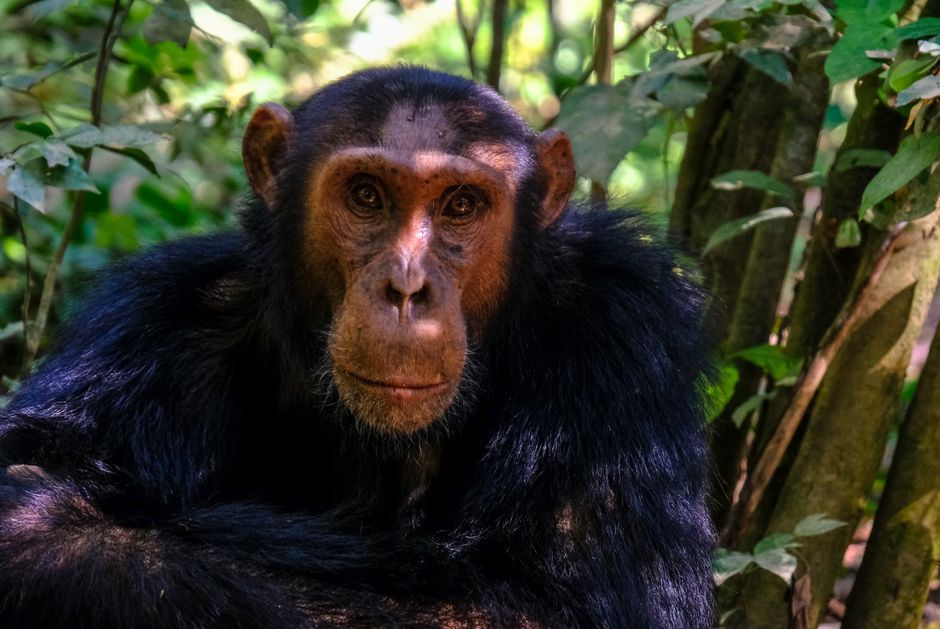
To make the morning feel easier, arrive early enough to settle in, drink water, and follow the guide’s rules for distance and behaviour. Comfortable layers help, because forest conditions can feel cooler or more humid than surrounding areas.
Even when trekking is successful quickly, allow for an unhurried pace afterward. Depending on your lodge location, you may want a restful lunch and a slower afternoon game drive rather than another demanding excursion.
A Kazinga Channel cruise day schedule
Boat cruise days are usually paced around calm viewing, with opportunities to watch wildlife at the waterline. You can often expect a mix of hippos, elephants, and a range of waterbirds, and the most productive cruising moments come from quiet attention and staying patient while the boat drifts into better angles.
If your boat departure is in the morning, it’s sensible to plan a relaxed start and a light lunch plan for later. If your cruise is in the afternoon, the heat may ease a bit, but timing can still be affected by weather.
For drive-time planning, think of the day as having two “protected windows”: the time to get to the departure point without stress, and the time to return with enough buffer to enjoy one more activity if you want it.
Pairing crater-forest drives with ranger walks
Crater-forest days are best when they feel like an excursion rather than a shortcut. From the Fort Portal side, a typical rhythm might involve a morning drive out, a ranger-led experience such as a forest walk or related wildlife activity, and then a return journey that doesn’t feel rushed.
If you’re pairing crater-forest experiences with any other “fixed-time” activity in the Queen Elizabeth area, avoid stacking them tightly. The road time can expand in wet conditions and during slowdowns.
A practical approach is to choose one of your three objectives per day: a chimp trek, a boat cruise, or a crater-forest excursion. Then add a flexible savannah drive where it fits naturally.
Responsible Viewing: Safety, Wildlife Welfare, and Community Respect

Illness and respiratory etiquette matter in chimp trekking. If you feel unwell, it’s better to communicate with the ranger team immediately. Once on the ground, keep your hands to yourself where directed, avoid sudden movements, and respect the quiet needed for wildlife viewing.
Wildlife welfare also includes staying patient. If chimps are far or the ranger requests stillness, it’s often because the animals are sensitive to disturbance.
Boat cruise etiquette on the Kazinga Channel
On the water, safety and respect overlap. Keep seated or in the position your crew directs, and use binoculars or camera zoom rather than standing to look over railings. Noise levels should stay low, and sudden movement should be avoided.
Boat crews typically position the vessel for viewing rather than for dramatic close passes. That’s good for the animals and also helps keep your experience comfortable.
Supporting local livelihoods and avoiding disruption
Staying responsibly near protected areas includes more than wildlife etiquette. It also includes choosing operators and lodges that follow conservation-minded practices, employ local guides, and contribute to community initiatives where possible.
A simple way to support this is to be transparent with staff: ask what the local rules are, respect designated paths, and follow “leave no trace” behaviour in camps and on excursions. Your attitude shapes the experience for everyone around you, including staff and local residents.
Planning With Confidence: When to Go and How to Build a Smooth Itinerary
Seasonal timing for access and comfort
Uganda’s seasons can affect road conditions and forest conditions. In general, heavy rain periods may make some roads slower and some trails wetter or muddier, while drier months tend to feel more predictable for vehicle travel.
Chimp trekking and boat cruising are still possible across the year, but the comfort factor changes. For example, in wetter conditions it’s wise to plan for rain jackets, dry bags, and extra time buffers.
If your itinerary involves both the park and the Fort Portal side, choose a travel window that minimizes the number of long, slippery road days you stack together.
Practical logistics that reduce backtracking
The most common “stay regret” is backtracking. To reduce that, build your days around where you’ll be starting from:
- If chimp trekking is your anchor, keep your nights close to the Kyambura side.
- If boat cruising is your anchor, keep your nights near Mweya.
- If crater-forest drives are your anchor, use Fort Portal and plan Queen Elizabeth days around that.
Drive times vary by route and conditions, but as a planning guide, expect day trips from Fort Portal to Queen Elizabeth to take several hours each way, while internal moves inside the Queen Elizabeth area are typically shorter when you base near the right activity.
A simple booking approach for permits and nights
Chimp trekking depends on availability and ranger scheduling, so it helps to confirm permissions early and align accommodation with those timings. For a practical workflow, many travellers plan dates first, then match lodgings that fit those dates and the direction their activities require.
For researching and comparing available stays (especially when dates are flexible), Booking.com is often used as a starting point, particularly for finding places grouped near the Mweya or Kyambura areas.
Overall, choosing your base by objective is the quickest way to get more wildlife per hour: stay near Kyambura for chimp trekking, near Mweya for Kazinga Channel boat days, and use Fort Portal when crater-forest excursions or additional forest trekking adds real value. Build in buffer time for road variability, keep your highest-effort activity to the day’s main objective, and you’ll end up with an itinerary that feels well-paced and respectful of the animals and communities around you.
Leave a Reply