
If you're planning a dry-season safari near Ruaha National Park, you know where you stay can make river sightings far easier. This guide covers the best nearby areas to reduce your game-drive distances, with extra attention on Usangu and the western river frontage.
You'll also get practical guidance on how to choose a base for dry-season wildlife, what to ask before you arrive, and how to keep your viewing respectful and safe—especially around river crossings, breeding birds, and larger concentrations of animals.
Stay Close to the Water: Best Base Areas for River-First Safaris

Ruaha shines in the dry season because water becomes limited, and wildlife funnels toward the remaining rivers and seasonal channels. The biggest advantage of staying “near” Ruaha isn’t just convenience—it’s time on the road, more flexible morning and late-afternoon departures, and fewer missed opportunities when animal movement is fast.
Usangu and the Western River Frontage
If your priority is river sightings, the western side connected to the Usangu system is often the most rewarding base. Staying on or close to this frontage can reduce the distance to water-dependent wildlife, particularly when the river corridor is where animals congregate. It’s also one of the places where you can structure your day around short drives: early departure for first light, mid-day rest when it’s hottest, then a second push toward water.
Lower Ruaha River Access and “Water Windows”
Another strong approach is to base yourself where you can reach the Great Ruaha River corridor quickly. In the dry months, animals may appear briefly, change direction, or shift to different pools and crossing points. A lodge that’s close to the river system can help you reposition quickly without rushing, which matters for both animal welfare and your own safety.
The Difference Between “Near” and “Useful Near”
“Near Ruaha” can mean very different things depending on the road quality, how far you are from the specific river access points your guides use, and how long transfers take. When comparing options, look for areas where transfers are typically simple and predictable, so your guide can focus on locating wildlife rather than negotiating long drives.
- Usangu/Western frontage base: Best for reducing time to river action during dry-season concentration.
- Great Ruaha River corridor base (western access): Ideal for repeat visits to water and shorter repositioning.
- Mtera-area stays near western approaches: Helpful when you want a transfer-ready start point for western circuits.
- Msembe/gateway-edge bases: Often a practical choice if you want flexibility to move between river and woodland routes.
- Fly-in access stays (inside Ruaha or very close): Useful for maximising time on game drives with minimal road transfer.
Shortening Drive Times: Gateways, Transfers, and Fly-In Options

Dry-season wildlife tends to reward timing. Animals come and go, and the best viewing often happens when you can be in the right place at the right hour—without losing half a day to transfers.
Choose the Right Starting Point (Not Just the Closest Town)
Many visitors start with a town base because it’s easier to arrange flights and transport. But if your goal is river sightings, it’s worth thinking of your stay as your “starting point” for specific driving loops. If the lodge is closer to the routes that lead to the western river frontage, your day can stay in sync with animal movement patterns.
Fly-In for Maximum Dry-Season Time
If you want to be on the ground quickly, fly-in options can be a game-changer. They’re especially useful when road transfers would cut into your best viewing hours. Fly-in also tends to make multi-night stays feel more efficient, because every morning can begin with a game drive rather than a long pickup and check-in schedule.
When planning, confirm how the flight aligns with your itinerary. In many cases, the real decision isn’t only “is there a flight,” but “how much buffer time is built in” for luggage, transfers, and briefing.
Transfer-Ready Stays and Easy Day Plans
Some lodges and camps are set up for smooth transfers—meaning you can arrive, get briefed, and go straight into the day’s first drive. This matters in the dry season because once the light changes, animal activity can also change. Staying somewhere with predictable logistics reduces stress for you, your guide, and the wider safari rhythm.
If you’re comparing availability and map locations, Booking.com can be helpful for filtering stays near your preferred Ruaha access zone and checking cancellation terms.
What You’ll See: Dry-Season Wildlife by Stay Zone
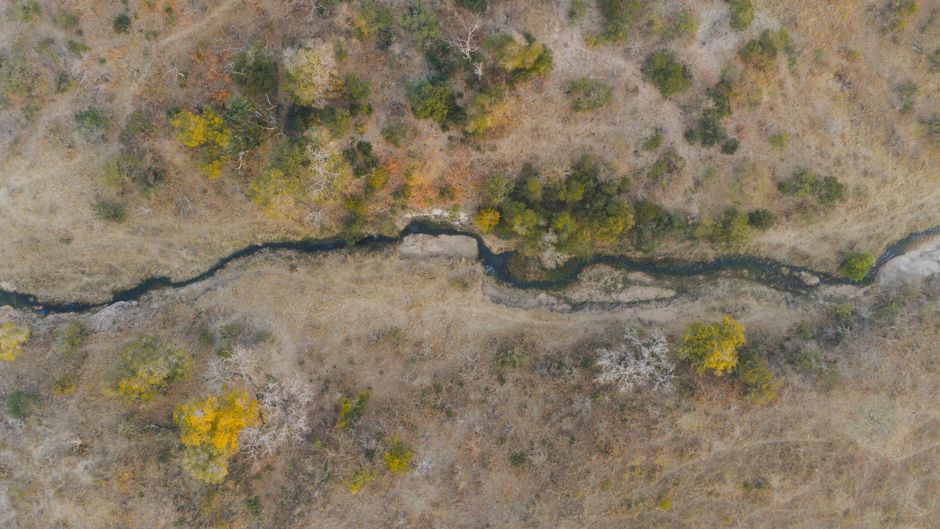
Dry-season wildlife is about patterns. When water is scarce, the landscape becomes a network of pressure points: rivers, pools, sand rivers, and the last reliable stretches where grazing and drinking overlap.
River Congregations and Crossing Moments
From bases close to the Great Ruaha River system, it’s often easier to catch wildlife when it appears at water—especially when animals cluster to drink, rest in the shade, or move between pools. If your lodge is nearby, you’re also more likely to be able to return to a promising river stretch the same day, which is important because animals don’t always stay where you last saw them.
Predators Following the Water
In Ruaha, predators often benefit indirectly from the same dry-season logic that brings herbivores to water. When elephants and other grazers become regular visitors at river points, lions and other large carnivores may patrol nearby routes. The key is patient viewing and allowing your guide to position the vehicle so you have clear sightlines without pressing animals.
Birds That Show Up When the River Holds
Birdlife can be one of your best “bonus rewards” during dry-season river watching. As habitats concentrate, you may see waterbirds and raptors using perches, sandbanks, and riparian vegetation. The best time is often early morning and late afternoon, when lighting is better and birds are more active around water edges.
How to Choose the Right Lodge (Without Losing Time or Comfort)

The best stay is the one that fits your viewing style: early starts or relaxed mornings, photography-first or wildlife-first, and whether you prefer to do multiple shorter outings or fewer longer drives.
Inside the Park vs. Close-by Edge Stays
Staying inside Ruaha National Park—or very close to it—can reduce travel and help you stay with the action longer. Edge-of-park options can also work well, particularly if they still keep you within a short driving window of the western river frontage and key circuit routes.
The practical takeaway is to evaluate the lodge based on how it affects your day. Ask whether your guide can take you to river sightings without lengthy road detours, and whether the schedule supports a second wildlife window before dusk.
Vehicle Access and Guide Control
For dry-season viewing, a lodge’s “infrastructure” matters in quieter ways: vehicle size and access routes, whether your guide can drive quickly between water points, and whether your starting location avoids bottlenecks. When wildlife is concentrated, you don’t want long back-and-forth repositioning—both for ethical viewing and for the comfort of passengers in the heat.
Comfort Features That Matter in the Dry Months
Dry-season days can be hot, and evenings can turn cooler fast near rivers. Choose a lodge with practical comfort features such as reliable cooling/ventilation where needed, shaded areas for downtime, and a setup that lets you dry off equipment after dust. If you’re bringing binoculars and a camera, ask about charging points and whether the camp can accommodate your gear without turning your room into a worksite.
Responsible River Viewing and Staying Safe Around Wildlife
River sightings bring exceptional experiences, but they also come with extra responsibility. Animals at water may feel more exposed, and the river corridor can be active with movement, including crossing points.
Follow Minimum-Disturbance Rules at Water Points
A respectful safari is built on restraint. Keep a safe distance, avoid crowding animals, and don’t encourage behaviours like stepping onto vehicles or approaching the vehicle for food. If your guide says a sighting is “moving through,” let it pass. Dry-season animals often travel because conditions demand it, not because they’re calm and patient for long viewing blocks.
Safety First: Vehicles, Footing, and Heat Management
For safety, your guide’s instructions should be the priority. Stay seated, keep doors and windows managed as directed, and be careful with footing near riverbanks and uneven ground. Heat and dust can also affect decision-making, so hydrate regularly and use sun protection. If you feel unwell, it’s better to speak up early rather than push through.
Respect for Communities and Shared Landscapes
The Usangu region is part of a broader lived-in landscape. Responsible operators will brief you on appropriate behaviour around nearby communities and routes. That includes respecting local boundaries, avoiding litter, and following guidance on where vehicles should stop and how long you should watch. When you treat the wider landscape as shared—not just “scenery”—your safari becomes better for everyone.
Overall, the best strategy for dry-season river sightings near Ruaha National Park is to base yourself in a place that shortens your access to the western river frontage and reduces transfer friction. Pair that with a lodge that supports flexible timing (especially mornings and late afternoons), choose routes that your guide can run safely, and keep your viewing calm and minimum-impact around water. This combination makes it more likely you’ll see the river action that defines Ruaha in the dry months, while keeping wildlife welfare and your own safety at the centre of the experience.
Leave a Reply