
If you're a birding enthusiast, then you know that Africa is a paradise for birdwatching.
If your dream safari pairs sunbirds with reliable elephant sightings, Tsavo West National Park makes that pairing especially achievable. This guide covers where to stay near Tsavo West by proximity to key gate access areas, plus the best times for roadside birding and early elephant activity.
You’ll also get practical, wildlife-respectful guidance on how to watch from the road and move through the day without disrupting animals or local communities.
Understanding Tsavo West for Elephants and Sunbirds
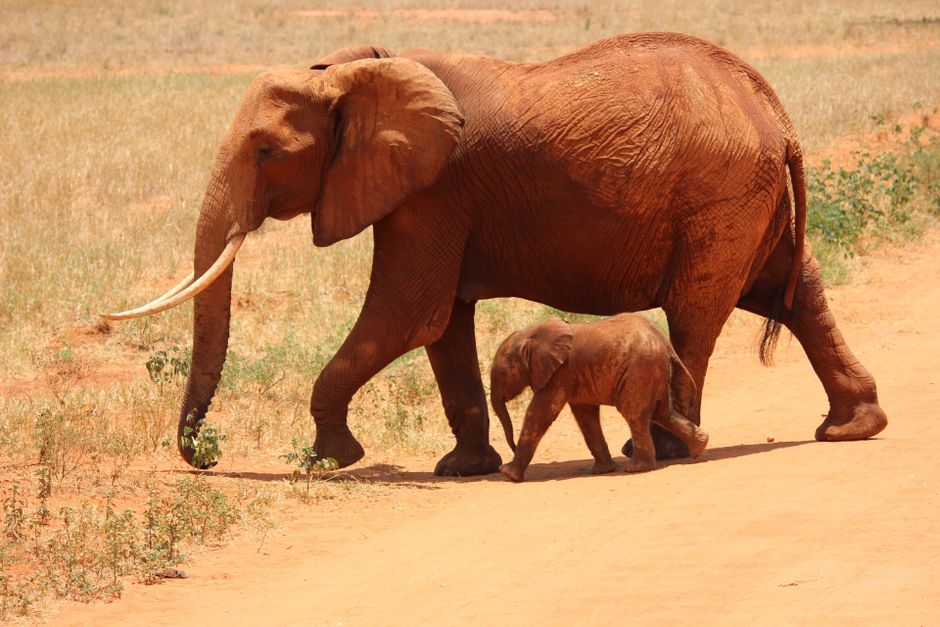
Elephant country: water, cover, and morning movement
Tsavo West’s elephants tend to be most watchable around water sources and travel routes that connect feeding and resting areas. In the cooler parts of the day, you’re more likely to see groups moving between these points, often before the heat tightens the animals’ routines.
For the best odds, think in terms of planning your time around sunrise departures, then returning to likely watering and crossing areas later in the morning or around late afternoon. Elephants can be unpredictable by individual temperament and season, so the goal is consistency: be positioned early, stay flexible, and follow your guide’s interpretation of tracks and nearby signs.
Sunbird habitats: flowering edges and sheltered bush
Sunbirds are closely tied to flowering trees and shrubs. In and around Tsavo West, the most productive birding often comes from habitat edges where the park meets wooded cover, riverine vegetation, and thicker roadside growth. Even when you’re not “deep” in a forest, sunbirds will use flowering stands and sheltered areas where they can feed and regroup.
On your trip, watch for fruiting and flowering cycles that vary with rainfall and season. The steadier your focus on flowering thickets near water and cover, the more likely you’ll pick up repeat sightings.
The roadside birding window (and why timing matters)
Roadside birding works best when birds are actively feeding and moving between perches. That usually means the early morning period and, in many places, a second productive window later in the day when birds re-approach feeding patches after stronger heat. If you only bird in the brightest midday hours, you’ll often miss the “rush” when sunbirds are most responsive.
Where to Stay: Bases Near Gate Access and Likely Sightings

Voi Gate corridor: quickest routes for early drives
Staying around Voi (the gate-facing corridor to Tsavo West) is a practical way to shorten transfer time and make early starts manageable. This base is especially useful if you want to leave for the park before sunrise, then come back for breakfast without burning an entire day on road time.
For sunbirds, the roadside margins around settlements and the first stretches of bush-encroached edges can be birdy at first light. Keep an eye on flowering shrubs and any sheltered drainage lines, then ask your lodge or guide which roadside stretches have provided reliable sightings recently.
Ngulia Gate corridor: stronger odds for forest-edge birding
If the plan is to combine elephant outings with more “bird-forward” time, the Ngulia side can be a compelling choice because it brings you closer to the park’s higher ground vegetation patterns and edge habitats. These areas can feel different from the lower, hotter corridors, and that shift often changes the mix of birds you’ll hear and see.
For sunbird hotspots, focus on shaded thickets, flowering canopy gaps, and the periphery of any protected woodland around your lodge. When guides suggest a short stop, it’s usually because birds are using a specific feeding route that becomes visible at the right time of day.
Mzima Springs area: water-focused sightings and dramatic bird activity
The Mzima Springs area is a valuable base when your priority is watching wildlife around dependable water. Even when the plan is a morning drive, water-adjacent locations can set up your day by revealing where animals are likely to congregate.
For sunbirds, water-linked vegetation often holds more consistent flowering activity and attracts insects, which supports small birds. Birding here can be more rewarding in the cooler hours, when you’ll spend less time waiting for birds to become active.
Taita Hills Wildlife Sanctuary edge: a birding-leaning option
If your itinerary leans toward sunbirds and you still want strong park access for elephants, the Taita Hills edge can work well. Higher ground and a patchwork of woodlands create a different birding character, with flowering stands and sheltered perches that can produce repeated sunbird detections.
Using this as a bird-forward base can also help you balance the day: morning for park elephants, mid-morning or early evening for birds in conservation areas, and then back to Tsavo West for the most convenient game-drive timing.
Quick comparison of stay bases (by what they’re best at)
- Voi Gate corridor (Voi area): best for fast access and early elephant departures, plus early-morning roadside birding.
- Ngulia Gate corridor (Ngulia area): best for bird-forward mornings and edge-habitat sunbird viewing.
- Mzima Springs area: best for water-focused elephant watching and consistently active birding around vegetation.
- Taita Hills Wildlife Sanctuary edge: best for a sunbird-leaning itinerary with varied woodland bird habitat.
Best Times for Early Elephant Sightings and Sunbird Activity

Dawn for elephants: when the day begins
For early elephant sightings, plan around the period shortly after first light. Elephants may be easier to spot when visibility is good and animals are more likely to be traveling, drinking, or feeding before the heat settles in.
A useful approach is to treat morning as a “search and confirm” window. The first location might not be the best one, but sightings tend to become more obvious as guides read tracks, dust patterns, and movement directions. Arriving early, then following your guide’s assessment, usually beats trying to force a single “guaranteed” route.
Roadside sunbird timing: morning first, midday second
For sunbirds, start with the early morning hours when birds are feeding and responding to flowers and insect activity. If you want a second chance, consider early afternoon only if your route includes sheltered vegetation and flowering edges. Pure open stretches in full sun are often less productive.
If you’re building a day around sunbirds, consider pairing a short roadside stretch with a longer lodge/veranda watch, especially if your accommodation sits near flowering shrubs or a conserved edge.
Late afternoon and dusk: a second rhythm
Elephants can also become more visible again as temperatures cool. Late afternoon can offer calmer viewing conditions, and any watering or movement corridors may show activity once the heat eases.
For birds, late-day conditions can bring sunbirds back to feeding patches. Even if you don’t see them constantly, you’ll often hear them repeatedly before you get clean visual confirmation—so give the area a little time rather than moving immediately.
How to Enjoy Wildlife from Lodge to Road, While Showing Respect

Viewing etiquette for elephants: keep distance and don’t block routes
Elephants are powerful and can move quickly. The safest and most respectful approach is to follow your guide’s vehicle positioning and viewing instructions, including maintaining a proper distance and avoiding actions that change the animals’ behavior.
If elephants are moving through a corridor, avoid rushing in from multiple angles. A single, calm viewing position reduces stress for both animals and drivers and also helps keep the scene predictable.
Your best wildlife welfare practice is also practical: keep noise low, limit engine idling when advised, and never attempt to approach on foot unless a knowledgeable local authority explicitly allows it.
Roadside birding rules: short stops, quick scans
Roadside birding is rewarding, but it should be done in a way that keeps roads and habitats safe. Plan short stops where your vehicle can be stable and visible, then scan systematically: start with movement in flowering edges, then check perches and canopy gaps.
If you’re birding with friends, it’s easy to drift into long conversations or extended camera sessions. A better rhythm is quick checks, a few focused minutes at a time, then moving along when the bird activity shifts.
Be especially careful around dawn and early mornings when roads can be quieter for humans but more active for wildlife movement.
Safety and community respect: drive and bird with awareness
Tsavo West experiences regular movement of people and wildlife in shared landscapes. Stay on the correct side of the road, follow your guide’s advice on where stops are appropriate, and avoid leaving the vehicle in areas that might be unsafe or sensitive.
If you pass local livelihoods near the park edges, treat those areas with the same care you’d give wildlife habitat. That means no littering, no blocking access, and no attempts to “get closer” to animals or people for photos.
Planning a Tsavo West Stay for Maximum Elephants and Sunbird Moments
Build a simple day plan around habitat windows
A strong itinerary doesn’t need to be packed with constant driving. A more effective plan is to connect each day’s time blocks with what the habitat is likely doing: early morning for elephant travel and responsive bird activity, late morning for follow-up sightings, and late afternoon for a second rhythm.
If your lodge allows quiet birding time, treat that as part of the schedule rather than an afterthought. Sunbirds often reward patience, especially when there are flowering shrubs near the accommodation.
Choose locations that reduce friction
The closer your base is to the gate side you’ll use most, the more naturally you can keep to early departures and calm mid-day rest. That matters for elephants because the best sightings often happen when the schedule is consistent.
It also matters for sunbirds because roadside birding is time-sensitive. If you arrive late to a productive edge, birds may have shifted feeding patches by the time you stop.
Keep conservation and responsible tourism in mind
Tsavo West remains a working landscape where conservation depends on responsible behavior from visitors, guides, and lodges. Support operators that train staff in wildlife-friendly driving and viewing etiquette, and choose accommodations that handle waste and water responsibly.
When selecting where to stay, it helps to compare the practical location and drive times. Booking.com can be useful for cross-checking which properties match your intended gate access and give you a realistic view of daily travel demands.
Overall, choosing the right base near Tsavo West lets you turn early light into a real advantage: you’ll be positioned for the first elephant movements, while also giving sunbirds the quieter, flowering-edge timing they respond to most. Keep stops short on the roadside, follow viewing rules around elephants, and let your schedule be shaped by habitat rhythms rather than fixed expectations.
Leave a Reply