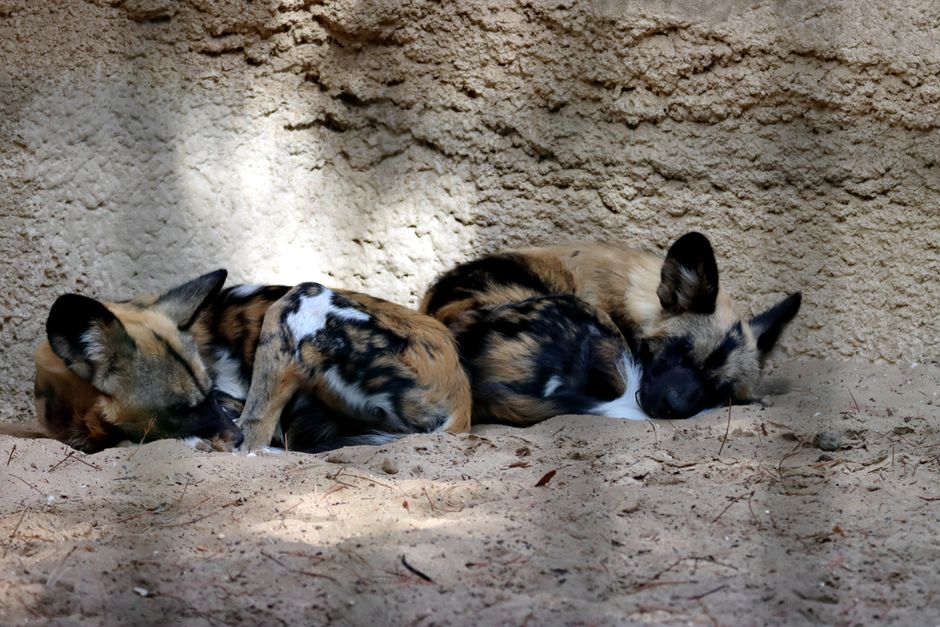
If you’re planning a safari for one of Africa’s rarest and most elusive wild canids, then you know that Hwange National Park is where den visits and tracking can make your trip far more rewarding.
This guide walks you through how to time your visit for the best odds, what “tracking” and den visits typically involve on the ground, and how to book a guide who will prioritise wildlife welfare, safety, and respectful behaviour around dens.
Wild dog sightings depend on packs moving, den activity, and day-to-day conditions. The aim here is not to guarantee anything, but to help you make smart choices before you arrive so your time in Hwange counts.
Why Hwange Is Ideal for Den Visits and Wild Dog Tracking

African wild dogs and why dens matter
African wild dogs are highly social, and breeding activity is one of the main reasons people focus on den areas. A den is where pups are raised early on, and that early stage tends to be when the pack’s movements become more predictable around a particular area.
A good den-focused safari is not about “finding pups at all costs”. It’s about observing how the pack uses the den while keeping disruption to a minimum. With the right approach, den visits can offer a clearer look at pack roles (adults guarding, feeding, and maintaining contact), while still respecting the stress you can cause through noise, vehicle pressure, or lingering too long.
What you can realistically expect in Hwange
Hwange’s size and habitat diversity help wildlife ranging behaviour, but that same scale means you often won’t be able to plan den viewing in a traditional “schedule” sense. Instead, your success usually comes from following where the pack goes each day.
In practice, operators build around two patterns: (1) locating current sign and recent activity, and (2) timing your time at the right distance for the right duration. Den visits can be brief and infrequent, while tracking days may involve longer periods of waiting and scanning before anything happens.
Working within park and wildlife-welfare expectations
Den visits are especially sensitive. Your guide should follow rules that protect pups and adults from repeated disturbance. That means managing vehicle approaches, keeping safe distances, moving quietly, and avoiding actions that could encourage pups to leave the den early.
Equally important is how your guide handles people. If multiple vehicles arrive close together, animals can become stressed and behaviour can change quickly. A responsible operator plans access, limits time on site, and prioritises the welfare of the pack over photos.
Timing Your Trip for the Best Chances
Dry-season visibility vs denning windows
For tracking, visibility matters. Hwange’s dry season generally offers clearer ground for spotting tracks and more predictable movements around water sources, which can improve the odds of locating recent sign.
Den activity is driven by breeding cycles, and those cycles can shift slightly from year to year depending on rainfall and prey availability. Rather than assuming fixed dates, aim for a window that overlaps with likely pup-rearing timing in southern Africa, then rely on your operator’s local knowledge to confirm where packs are active.
A practical way to think about it is: tracking often benefits from the dry season’s easier conditions, while the most meaningful den visits tend to line up with periods when pups are still young enough to stay close to the den area.
Planning around rainfall, water, and prey movement
Wild dogs follow prey, and prey follows water and vegetation. When rainfall is recent, animals may stay more dispersed, which can make sign older and movement harder to interpret. When rainfall is further back into the dry season, water points become more central and game tracks become easier to follow.
That’s why your guide’s seasonal planning should include more than “wild dogs are around”. You want to hear how the team is reading conditions that affect the whole system: where prey is concentrating, how water access is shaping movement, and whether packs are showing denning behaviour in the current timeframe.
Confirming pack timing before you commit
Timing gets better when you treat it like a conversation, not a calendar gamble. Before travel, ask the operator what they’re seeing currently: recent sign, den area activity, and whether they have trackable contact with packs.
If a den-focused itinerary is offered, responsible guides will explain that access depends on the pack’s behaviour on the day. The best planning approach is to book a flexible stay length so your chances improve if the pack moves, sign becomes old, or weather changes.
What Wild Dog Tracking Usually Involves

From sign to first contact
Tracking starts with reading evidence: tracks, scats, scent cues, disturbed ground, and any signs of recent movement. Your guide’s job is to interpret what the sign suggests about direction, speed, and how fresh it is.
In a den-focused safari, the tracking portion helps the team decide whether the pack’s activity is returning to the den area or moving on. That decision affects everything else: how quickly you move, how quietly you approach, and whether a den stop is appropriate at all.
Even when sign looks promising, tracking can still be unsuccessful. Wild dogs can change direction, and sometimes the most useful outcome is learning that a pack passed through earlier than expected.
Vehicle and walking roles: distance, radios, and patience
Tracking is typically a team activity. Guides and spotters often work with vehicles to follow sign, while checking for visual confirmation when possible. If walking is allowed and safe, it should only happen with clear instructions, controlled pace, and strict attention to respect and noise levels.
A strong guide explains roles: who is scanning, who is listening, how communication works between vehicles, and how the team decides when to stop or reposition. That transparency helps you understand that “tracking” is not random driving, but careful decision-making under changing conditions.
You may spend long periods looking and listening before anything happens. Patience is part of the experience, and it’s also what keeps disturbance low.
How den visits work without disrupting pups
A den visit is not a “crowd-at-the-site” event. Your guide should prioritise staying at a safe distance and keeping the visit short enough that the pack’s behaviour remains normal rather than forced.
You may see adults alert, carry out guarding duties, or move the pack in a way that suggests pups are nearby and vulnerable. That’s the moment where you most need discipline: no chasing for better angles, no sudden movement, and no lingering just because the light is good.
If your guide suggests leaving the den area early, treat that as a positive sign that wildlife welfare comes first. The den is a place of raising pups, and it isn’t a viewing attraction designed for extended stays.
Choosing and Booking the Right Guide in Hwange

What to ask before you pay
The guide you choose can make the difference between an experience that feels meaningful and one that becomes stressful for animals. Ask questions that reveal how your operator thinks about welfare, tracking, and timing.
Here are useful questions to start with:
- How do you decide when a den visit is appropriate, and how do you determine safe distance and time limits?
- What is your approach to tracking on the day (vehicle-only, walking allowed or not, and what triggers a stop)?
- What training or field experience do your guides and trackers have with African wild dog behaviour?
- If sightings don’t happen, what backup plan do you use while still protecting the animals from excessive disturbance?
- How do you manage multiple vehicles or group size near sign or den areas?
A good guide answers clearly and calmly. Vague promises or a “guaranteed den visit” pitch are red flags.
Checking permits, communication, and on-the-ground protocols
Wild dog tracking often depends on local permissions, park rules, and real-time communication. Your operator should be able to explain how their team works within Hwange’s management framework, including where access is permitted and how vehicles behave around wildlife.
Communication matters too. Ask how the guide keeps contact with other team members, how they share information on sign freshness, and how they respond if animals change direction. That tells you whether the tracking is planned and controlled or just improvised.
On den days, protocols should be particularly firm: no rushing, no loud calls, no sudden cluster formation, and no attempts to “improve the view” by crowding. If the team appears more focused on your photographs than the animals’ needs, choose differently.
Using booking tools responsibly
To check availability and compare itinerary structures while you research operators, Viator can be a helpful first step. Even then, confirm den-tracking specifics directly with the operator: den visitation policies, group sizes, and who will be guiding you.
Booking smart means reading between the lines. A “wild dog safari” that focuses mostly on general game viewing may not deliver the tracking intensity you’re looking for.
Respect, Safety, and Conservation on Den and Tracking Days
Welfare rules: keep distance, reduce noise, limit time
Respectful viewing is the core of den and tracking ethics. Your guide should set expectations before you start: where you stand, how you approach, and when you stop.
A few welfare principles should be non-negotiable:
- Keep a stable position once you’re near sign or den areas; constant movement raises stress.
- Avoid crowding. If the area is already busy, your best “help” is often to create space.
- Treat short visits as the goal, not as a disappointment.
Wild dogs are sensitive to disturbance, and pups are especially vulnerable. Calm behaviour protects the pack and improves the chances of future sightings.
Safety in remote wildlife country
Tracking day can involve rough ground, changing light, and vehicles repositioning quickly. Follow your guide’s instructions for getting in and out of the vehicle, staying together, and avoiding risky terrain.
Safety also includes emotional restraint. It’s normal to feel excited when you hear about den activity, but excitement can lead to unsafe choices: leaning forward, taking off-camera risks for better views, or stepping into areas your guide told you to avoid.
If conditions change, a responsible guide will adapt the plan. That might mean moving away from a den area early or pausing tracking when sign freshness suggests higher disturbance risk.
Supporting long-term protection in Hwange
Conservation isn’t only about what wildlife does today; it’s about what guides, operators, and visitors reinforce through their behaviour. The most helpful actions on your safari include choosing a team that prioritises animal welfare, supporting local park management frameworks, and taking wildlife rules seriously.
If you’re offered an itinerary framed around learning and responsible viewing, that’s a sign the operator is thinking beyond the short-term “see something” goal. Long-term protection depends on consistent, low-impact tourism and on making sure wild dogs remain able to raise pups without repeated human pressure.
Overall, the best wild dog safari planning in Hwange comes down to three things: timing your trip with local guidance rather than guesswork, understanding that tracking is disciplined fieldwork built on sign and patience, and booking a guide whose protocols protect dens and reduce stress on the pack. When those elements align, your chances of a memorable den visit and meaningful tracking day rise, and the experience stays respectful for wildlife and people alike.
Leave a Reply