
If you're planning a safari trip, you might be wondering how you can make your experience more sustainable.
This guide focuses on planning a wild dog safari in South Luangwa National Park with the aim of increasing African wild dog sightings—while keeping pack behaviour calm and natural. It covers the best timing, how to choose where to base yourself, what a “good” drive looks like from the vehicle, and how experienced guides track without pressing the animals.
Because wild dogs move fast and don’t wait for you, the goal is to stack the odds in your favour: be in the right places at the right times, understand the signs you’re seeing, and follow the rules that protect the packs.
When to Go for Wild Dog Sightings
Morning and late-afternoon drives
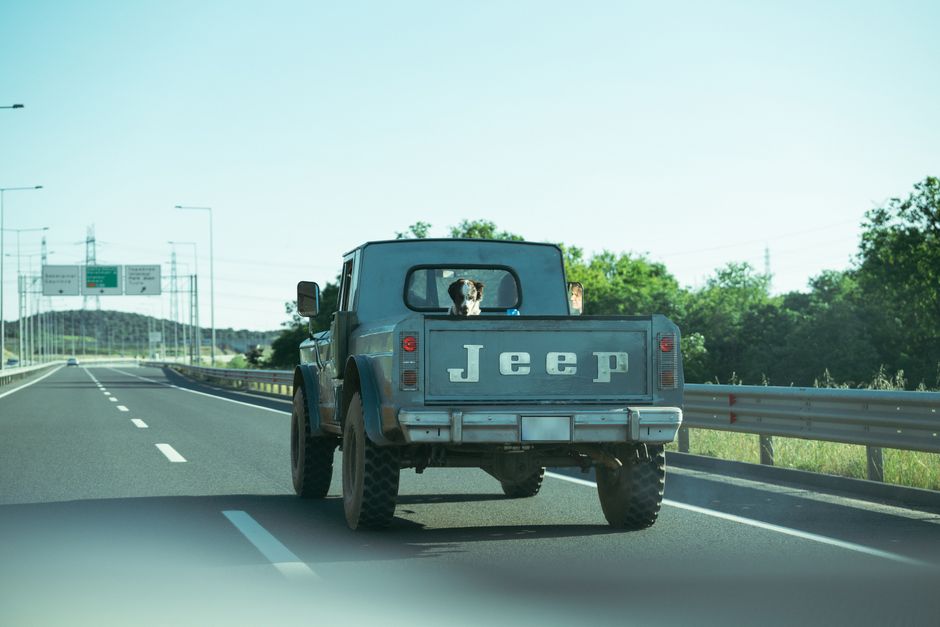
Wild dogs are most often easier to spot when you’re driving during low-angle light and cooler temperatures. In practice, that usually means planning for early-morning game drives and late-afternoon drives, with time for midday rest.
These drive windows aren’t just about comfort. When the light is softer and wildlife is more active, scent trails and track patterns are also clearer to trained trackers and guides. Guides can often “read” movement more confidently after dawn and again before the day cools down.
How seasonal conditions affect movement
South Luangwa changes noticeably through the seasons, and those shifts affect both prey and how visible tracks become. In wetter periods, vegetation cover can make tracking more challenging from a vehicle, while in drier periods animals often concentrate along key water sources.
What this means for you: rather than chasing a single “best month,” aim to travel during a period when your camp and guides can access the areas where packs tend to move and feed. If your itinerary includes multiple drive days, you gain flexibility to respond to what the guides report that morning.
Build flexibility into your itinerary
A high-sighting safari is rarely about one dramatic moment; it’s about repeated opportunities. Planning for at least two full days of game drives in South Luangwa National Park dramatically improves your odds compared with a rushed one-night stop.
Flexibility also allows guides to adjust when pack movement changes direction. Even an excellent tracking team can’t force a pack to appear at a set time, so having a buffer helps you stay in the right places without unnecessary pressure on wildlife.
Where to Base Yourself for Better Tracking
Choose access that matches how guides work
Wild dog tracking is a real “process,” not a single destination. When a pack is located, guides may follow signs into areas that are easiest to access from the camp’s route and road network.
As you choose where to stay, prioritize logistics that support early starts and late returns. The most successful trips often feel unhurried and methodical because teams are not losing time to long transfers.
Think about proximity to likely movement corridors
Instead of focusing only on scenery, focus on movement. Wild dogs often use consistent routes when travelling between feeding areas and resting zones, especially in landscapes shaped by rivers and seasonal water.
Your best base is one that can keep you close to the routes where guides are likely to pick up fresh signs. In South Luangwa, many safari vehicles operate out of the Mfuwe area, which can reduce travel time to game-viewing zones and help you commit to more drives.
Vehicle comfort matters more than you’d expect
More time on the vehicle means you need comfort, especially if guides keep drives going when contact with signs is strong. Choose a lodge or camp setup that supports early coffee, quick departures, and reliable vehicle access.
Comfort doesn’t increase sightings directly, but it helps you stay calm, quiet, and alert—exactly the behaviours that make tracking productive and viewing respectful.
How Guides Track Packs (and What Drives Feel Like)

Interpreting tracks, scent, and fresh activity
A skilled team tracks African wild dogs by combining fresh signs with field knowledge. You might hear talk of spoor age, direction, and whether the signs look recent enough to follow.
From the passenger seat, the key is to understand what “fresh” means to the guide. Signs that look older usually lead to dead ends, while very fresh indicators can mean a pack is still nearby or has recently passed through a particular corridor.
Reading the landscape while staying patient
A good wild dog drive often includes stretches where it looks like “nothing is happening.” That’s normal. Guides may pause in likely listening spots, move slowly along the correct line, and scan carefully for movement.
The landscape becomes your clue set: wind direction affects scent, open patches can reveal movement sooner, and areas near where prey activity concentrates can increase the chances of finding where a pack has been feeding.
What you’re likely to see on a successful day
When contact happens, you may experience a series of brief moments rather than one long, uninterrupted viewing. Wild dog behaviour can involve quick hunting bursts, resting after movement, and pack regrouping.
To help the sighting last longer, guides often prioritize stability: they avoid sudden repositioning, keep communication clear inside the vehicle, and only change approach when they’re sure it’s appropriate.
Increasing Sightings Without Stressing Wild Dogs
Keep your impact low from the first sign
The best way to increase sightings responsibly is to make the pack’s life easier, not harder. If vehicles move too aggressively, crowd an area, or block travel lines, packs can change direction, pause less, or stop hunting.
Stress isn’t always dramatic. Sometimes it shows up as shorter foraging periods, more frequent scanning, or a pack that becomes harder to locate because it moves on quickly.
Follow vehicle rules and your guide’s instructions
Vehicle etiquette is a practical tool for better viewing and better welfare. It also supports safety, especially when predators and prey are nearby.
- Stay alert and follow the guide’s exact positioning and stopping instructions.
- Avoid sudden accelerations or driving parallel to the pack longer than necessary.
- Keep a respectful distance and never try to “herd” a pack toward open areas.
Photography and noise: quiet wins
Phones and cameras are best handled like wildlife tools, not conversation starters. Keep shutter sounds and movement minimal, avoid shining bright lights during dusk or dawn, and be mindful that your framing should not require blocking the route.
If multiple vehicles are present, watch the overall behaviour of the guides rather than inventing your own approach. The most successful photographers are often the ones who hold still, wait for the pack to choose its pace, and stop shooting when the pack starts to look unsettled.
Planning Your Safari for Consistent Wild Dog Time
Ask good questions before you go
A high-quality wild dog safari starts with communication. Before arrival, it helps to clarify how your guide team plans drives: whether they prioritize tracking sign, how they share information across vehicles, and how they decide when to continue versus reposition.
You can also ask what success looks like for their team that season. That might mean repeated contacts, clear signs of hunting activity, or simply knowing the areas where packs often pass.
Match your pace to real movement
Because wild dogs cover ground, a rigid timetable can work against sightings. If your day includes long commitments away from game-viewing zones, you reduce the number of opportunities you have for contact.
Aim for a safari rhythm that supports multiple drives across a couple of days, and allow downtime that doesn’t force you to rush back on a tight clock.
Stay positive when sightings don’t line up
Even with excellent planning, wild dogs may remain out of sight during part of a trip. When that happens, the best approach is to stay engaged with the tracking process and trust your guides’ decision-making.
A rewarding safari is broader than one animal. Wild dogs may not show on every drive, but the same skills that help you track them—patience, attention to sign, and calm viewing—also deepen your understanding of how the whole ecosystem functions around the Luangwa Valley.
For coordinating logistics around the Mfuwe area, Booking.com can be a practical starting point for mapping your stay and drive schedule to the park’s rhythm.
Overall, by focusing on timing, choosing a base that supports flexible early and late drives, understanding what guides are looking for on the ground, and keeping vehicles calm and respectful, you increase the chance of African wild dog sightings in South Luangwa National Park while protecting the pack for future visitors.
Leave a Reply