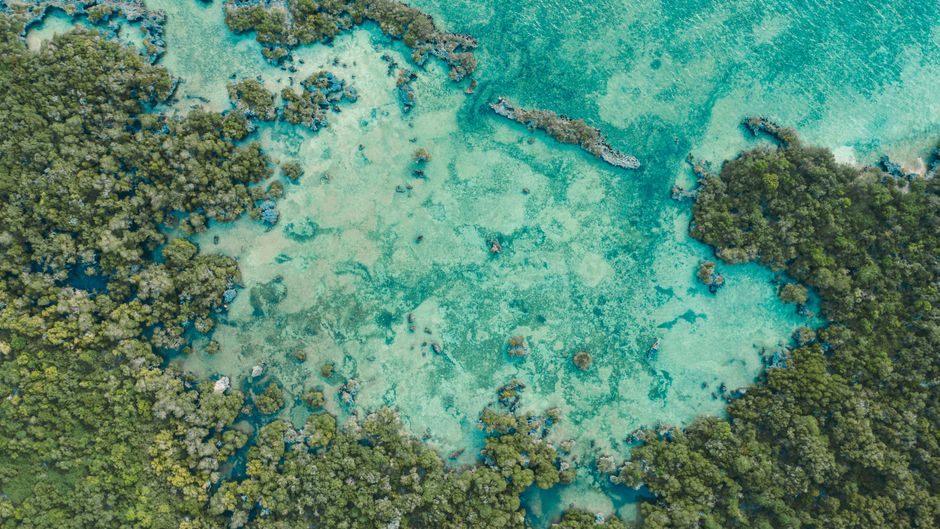
If you're planning a Zanzibar snorkel and mangrove birding tour, you might be wondering how to enjoy it without harming coral. This guide walks you through choosing reef-safe operators, picking snorkeling spots that work alongside mangrove bird areas, and following respectful etiquette around dolphins and sea turtles.
You will also get practical planning advice for a smooth day on the water and in the trees, with wildlife welfare, safety, and respect for local communities kept at the centre of every decision.
Choose a Reef-Safe Operator and Tour Format
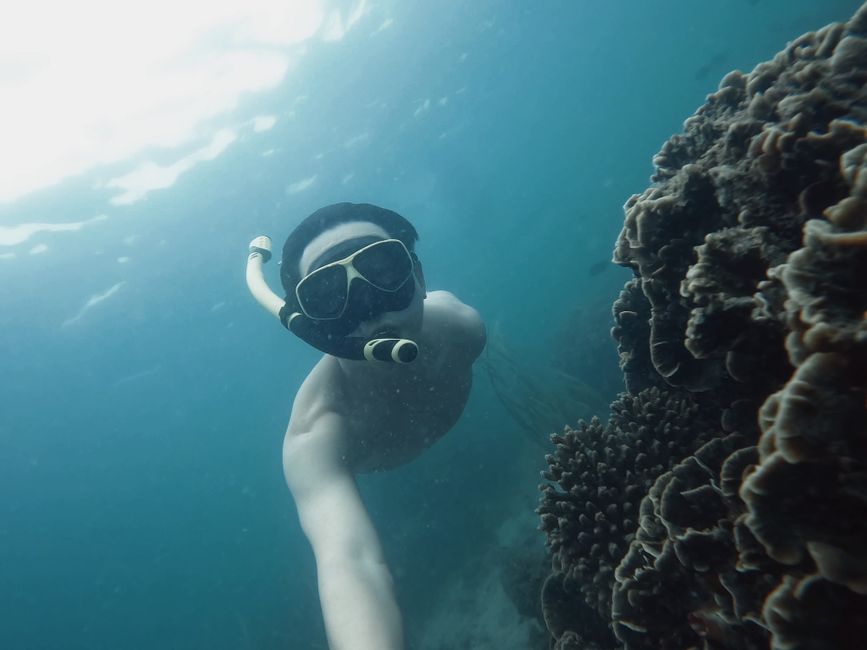
Questions to ask before booking
A coral-safe tour starts long before you reach the sea. When you are evaluating operators, use questions as your filter. Look for clarity on where you will snorkel, how you will enter and exit the water, and how the team prevents accidental contact with coral.
Good signs include a pre-snorkel briefing that covers buoyancy, staying off the bottom, and what to do if you see wildlife. Operators should also be willing to explain whether they use fixed moorings or other methods to avoid dropping anchors on reef.
Group size and guide-to-guest spacing
Coral damage often happens when people are hurried, spaced too closely, or guided poorly. Smaller groups mean more time for the guide to correct technique, and it is easier to keep fins from sweeping across the reef.
As a rule of thumb, choose a format where you are not packed into the same short area with lots of other snorkelers. If you feel rushed during the briefing or unclear about where you should swim, that is a cue to look elsewhere.
Book with transparent conditions
If the itinerary is vague, assume the risk is higher. Ask how long you will be in the water at each site, whether the route changes based on conditions, and what happens if visibility or swell is not comfortable.
If you prefer to compare options quickly before contacting local teams directly, a quick check of Viator can help you spot which tours explicitly mention reef-friendly practices and small groups.
Reef-Friendly Snorkeling in Zanzibar: Where and How

Prioritise sites designed for snorkeling
Not every coastal area supports easy, low-impact snorkeling. The safest planning approach is to focus on sites where access is managed and where the operator can use reef-safe logistics.
For example, snorkeling around Mnemba Atoll is widely known in Zanzibar, but the low-impact outcome depends on how the group is run. Choose operators that arrive prepared, use mooring systems where available, and keep swimmers from roaming beyond designated viewing areas.
Similarly, Chumbe Island Coral Park is designed specifically around reef protection. The experience is strongest when the day is paced so snorkelers can enjoy calmly without pressure to crowd the best spot.
Move like a guest, not a diver
Even confident snorkelers can accidentally harm coral. Your goal underwater is to glide, not to explore by pushing or standing on the bottom.
- Keep your fins up and use gentle, compact kicks.
- Practice hovering in mid-water whenever you enter, so you are not tempted to touch the reef for balance.
- Follow your guide’s line of travel and maintain a respectful distance from corals and each other.
A calm pace reduces both accidental contact and the cloud of sediment that can smother living tissue.
Protect buoyancy and avoid sediment
If you are struggling with buoyancy, stop and re-set your position rather than trying to force it. Sediment can rise when snorkelers drag fins or repeatedly stop on the seafloor.
It also helps to monitor your breathing and adjust your float rather than lifting your head to look around. Coral-safe snorkeling is mostly about control: staying neutral, staying off the bottom, and keeping your movements quiet.
Mangrove Birding Without Disturbance

Choose a managed mangrove bird area
To pair snorkeling with mangrove birding, plan to spend real time on the land and in the canopy edge. Mangroves are nurseries and shelter, so the same idea applies: keep your footprint light.
One of the best places for this approach is Jozani-Chwaka Bay National Park, where mangroves and birdlife overlap in a landscape that rewards quiet observation. When you plan a birding stop, select routes that the park or local guides consider appropriate and avoid stepping into fragile areas off the path.
Let birds come to you
Mangrove birds respond best to patience. Instead of walking fast and scanning constantly, try a simple routine: pause, listen for calls, then look slowly.
Avoid sudden movements near roosting or feeding areas. If birds change direction repeatedly due to your presence, you are close enough that your presence is a disturbance, even if you are not touching anything.
Focus on one or two target species
If you want the day to feel purposeful, pick a small set of targets so you do not end up rushing everywhere. In Zanzibar mangroves, a species many visitors hope to see is the mangrove kingfisher, often associated with waterways and the quieter edge habitats.
When targeting specific birds, your best tool is usually time: staying still long enough for a call to lead you to a sighting.
Dolphin and Sea Turtle Etiquette (How Close Is Too Close)
Bottlenose dolphin: observe from a distance
Dolphins can be curious, but your behaviour controls whether that curiosity becomes stress. A coral-safe tour can still become wildlife harmful if boaters chase animals or if swimmers try to close the distance aggressively.
Respect the following approach: keep watching, do not block their travel path, and never attempt to separate a dolphin from the group. If a dolphin is swimming away or the team is having to accelerate to stay with it, that is a sign to back off. For ethical viewing, the best moments are usually the ones that happen while the tour remains calm and predictable.
If you are asked to enter the water, follow the guide’s timing exactly. Do not leap in early to get a closer look, and do not surround the animals from multiple angles.
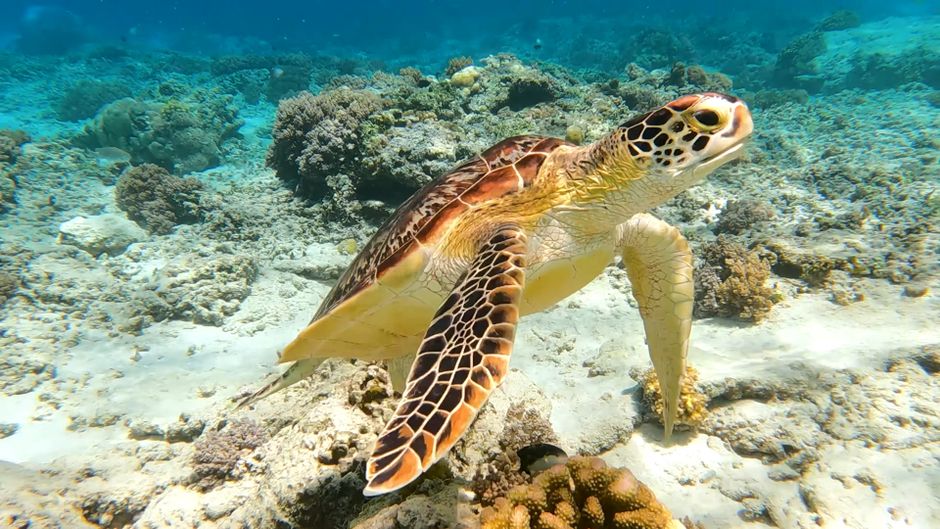
Green sea turtle: no chasing, no touching
Sea turtles need space to feed and breathe. For green sea turtles, a good rule is simple: if you are thinking about swimming harder to get closer, you are already too close.
Never touch turtles for a better photo and never try to guide them by swimming in front of their face or blocking their route. If the turtle starts to slow down, change direction abruptly, or stays far below the surface to avoid you, your distance should increase immediately.
When you see one, observe quietly and allow time to pass. Many turtle encounters become more natural when the tour team is patient rather than eager.
Wildlife meetings should not override coral safety
If dolphins or turtles appear near the snorkeling route, it can be tempting to stop all movement and crowd the moment. Keep the same coral principles even during wildlife viewing.
That means: do not stand on coral, do not kick the substrate, and avoid moving your body over fragile reef just to keep animals in view. A respectful encounter is one where wildlife welfare and habitat protection are treated as equal priorities.
Planning the Day: Timing, Weather, and Gentle Transitions
Pick an order that suits conditions
Snorkeling and birding can be paired smoothly when the schedule respects both light and comfort. On calm mornings, water conditions are often easier for neutrally buoyant snorkeling. If wind picks up later, a mangrove birding block with quiet listening becomes the better choice.
A common strategy is to start with snorkeling when the sea is calm, then shift to land-based birding so the day ends with slower pacing. If conditions are rough, reverse the order or keep the water session shorter so the team does not feel pressured to push through.
Keep safety realistic
Your safety decisions should never be sacrificed for wildlife spotting. Stay within the limits of your swimming ability and your comfort in open water.
If you are on a multi-stop day, confirm that the operator accounts for time needed to return safely even if you are delayed by wildlife or less-than-ideal visibility. If anyone in your group is struggling, prioritize wellbeing over insisting on additional stops.
Choose operators that invest in conservation
A coral-safe trip is not only about what you do; it is about what your operator does as standard practice. Look for operators that emphasise habitat protection, use controlled entry and exit methods, and keep snorkeling movements calm and purposeful.
For access to well-managed reef areas like Chumbe Island Coral Park, some travellers find it useful to check availability through Tiqets when it is the most straightforward way to understand entry conditions. Even then, keep focusing on the in-water rules: calm movement, no contact, and respect for wildlife behaviour.
Overall, the most coral-safe Zanzibar snorkel and mangrove birding days are the ones that begin with strong operator choices, continue with disciplined in-water technique, and end with patient, quiet observation on land. When you treat coral, dolphins, sea turtles, and birds as shared responsibilities, you get more wildlife moments and fewer accidental impacts.
Leave a Reply